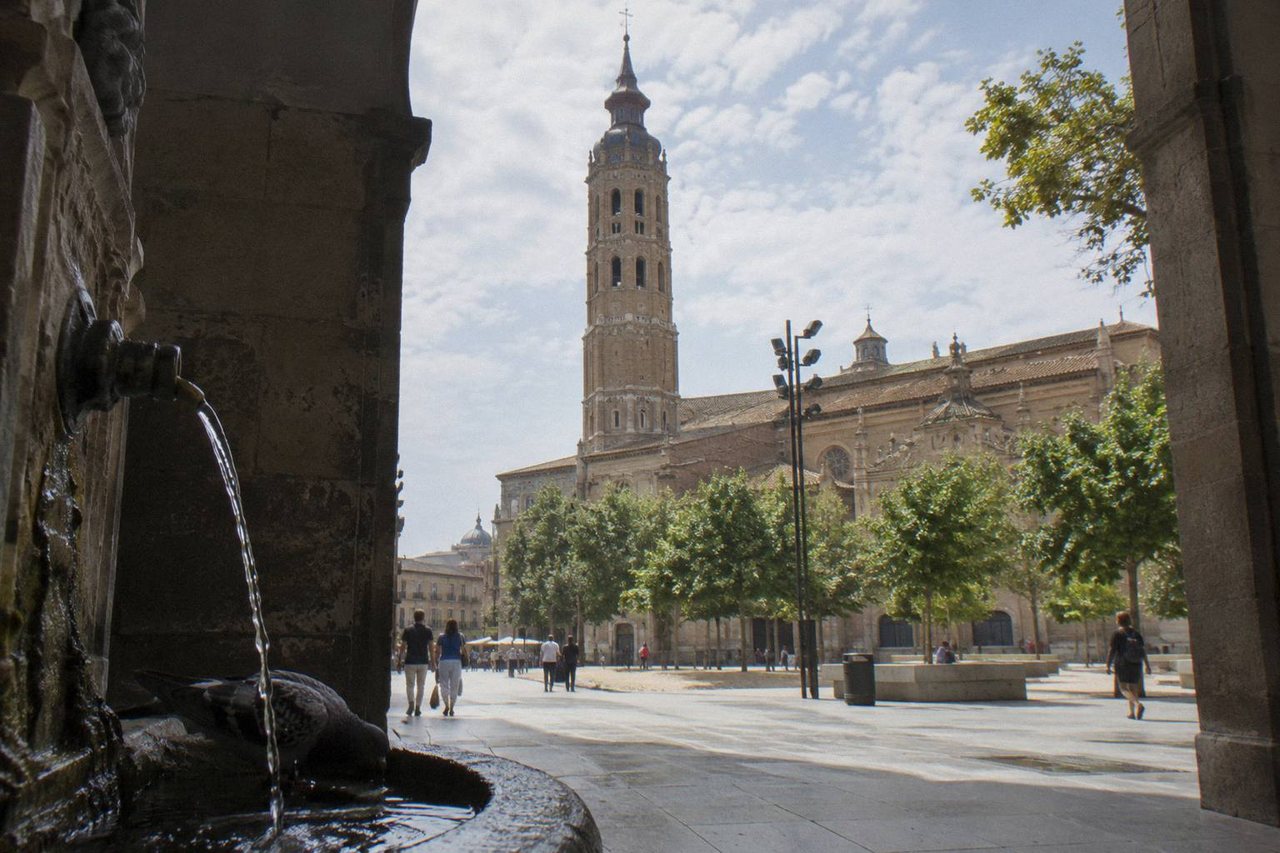
What Zaragoza Is Famous For And The Free Sights Behind The Fame
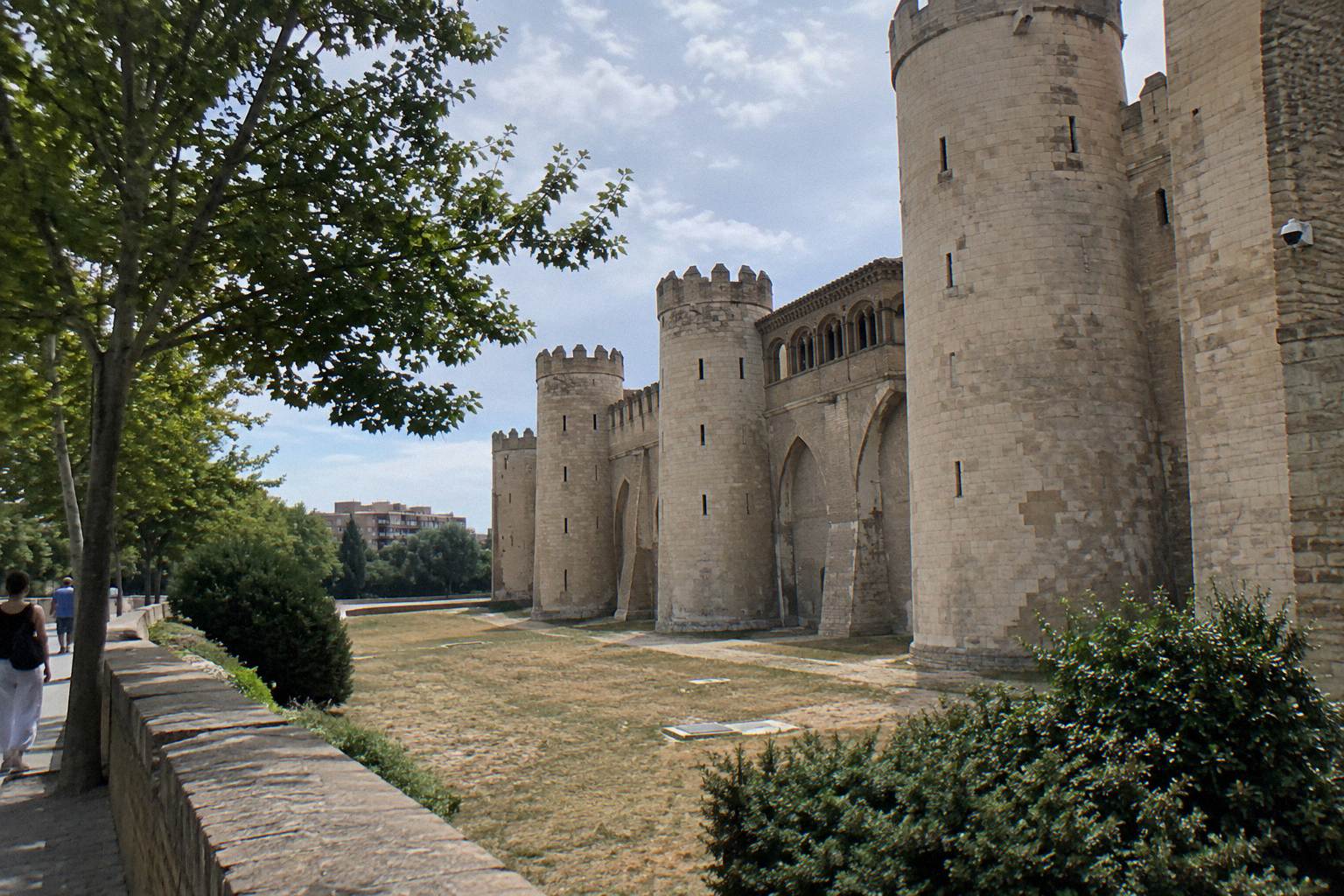
Zaragoza's fame rests on a small cluster of landmarks along the Ebro: the Basilica del Pilar, the Roman remains of Caesaraugusta, the mudejar church of La Seo and the Aljaferia palace. Most of what the city is known for can be seen from public streets and squares without a ticket.
In Short
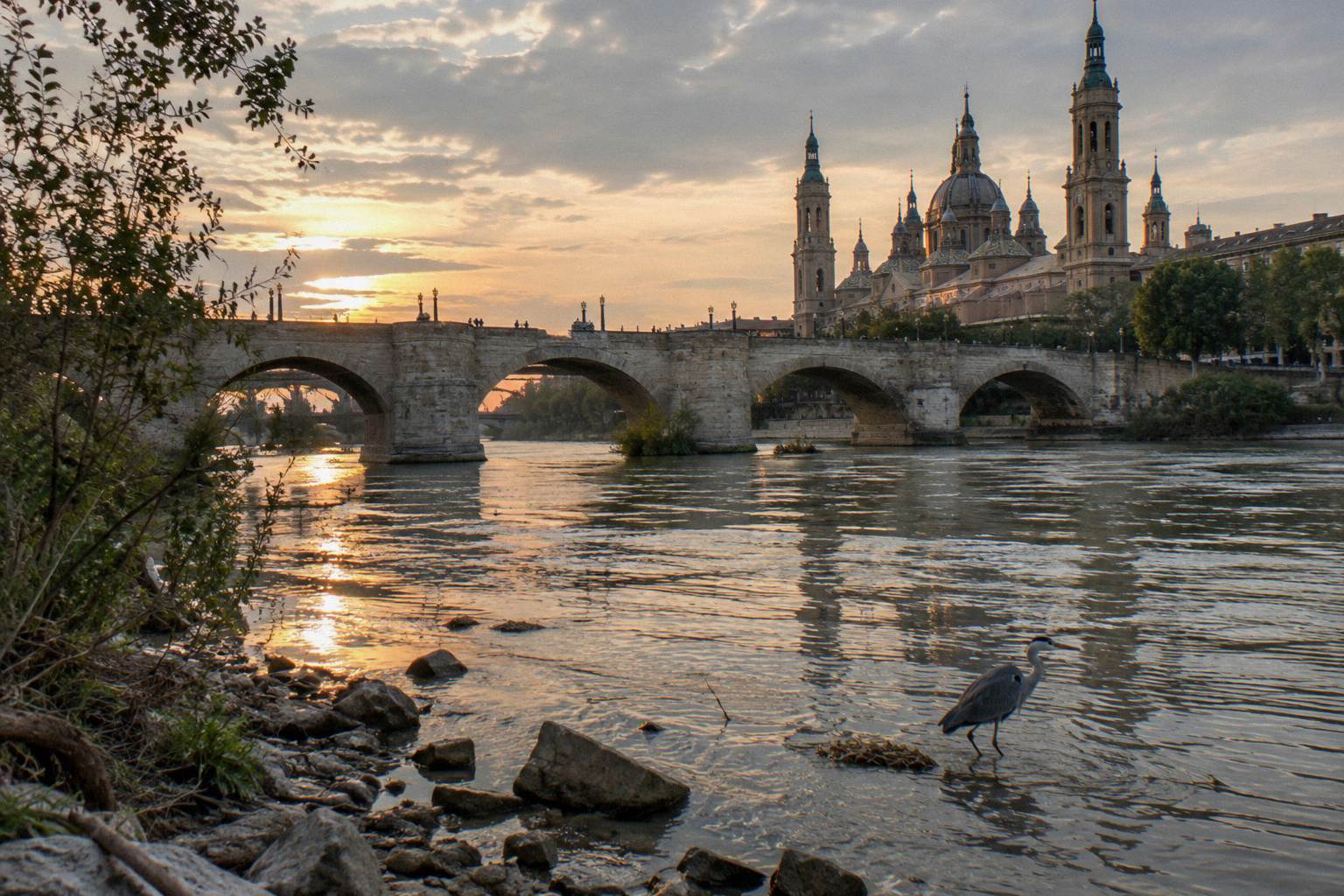
Zaragoza is famous for the Basilica del Pilar, the largest baroque pilgrimage church on one of Spain's main devotional routes, the Roman ruins of Caesaraugusta, the mudejar La Seo, the Aljaferia palace and the Ebro bridges. The good news: the square, the bridges, the Roman walls and the Basilica temple are free. Tower and palace interiors are ticketed.
Part of the Free Things To Do In Zaragoza guides series.
Quick Facts
| What is free | What costs money |
|---|---|
| Plaza del Pilar, always open | La Seo general ticket 10 EUR (includes Museo de Tapices and Museo Pilarista) |
| Basilica del Pilar temple entry | Torre Mirador del Pilar 6 EUR general |
| Puente de Piedra and Puente de Hierro, always open | Aljaferia 7 EUR general, ticketed entry |
| Roman walls of Caesaraugusta, visible from the street | Caesaraugusta museums 3 to 4 EUR each, free first Sunday of the month |
| Puerta del Carmen, street monument | Museo Goya Coleccion Ibercaja 14 EUR, free first Wednesday |
| Free walking tours, pay what you want | CaixaForum 6 EUR, Patio de la Infanta 3 EUR, free first Wednesday |
What Is Zaragoza Best Known For?
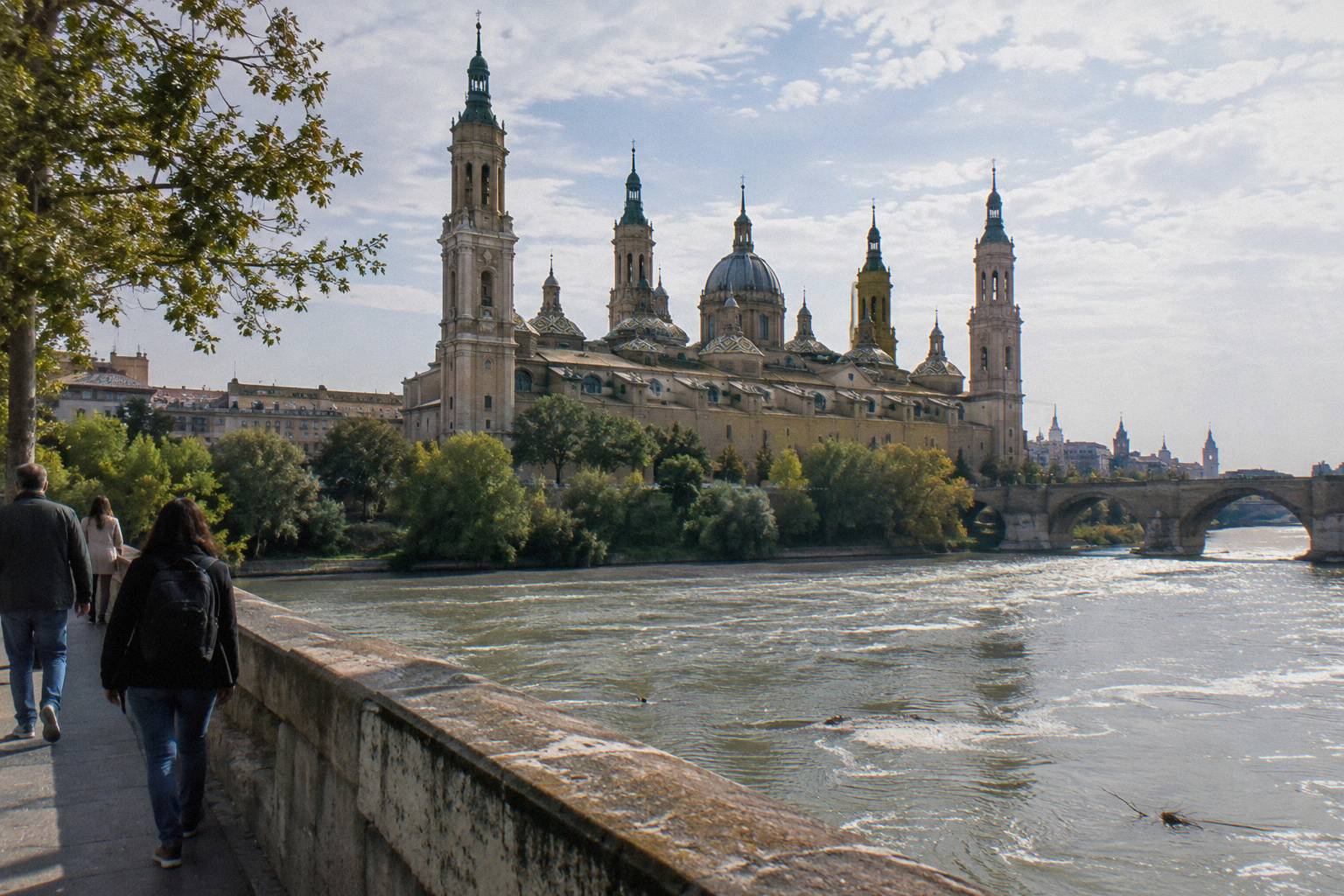
Zaragoza is best known for the Basilica del Pilar, the vast pilgrimage church that dominates the Plaza del Pilar above the Ebro, for the Roman remains of Caesaraugusta still visible in the old town, for the mudejar tower of La Seo, and for the Aljaferia, the Islamic-era palace that now houses the regional parliament. Around them sit the Puente de Piedra and the tapas streets of El Tubo. Almost all of this fame is visible without a ticket.
The city sits halfway between Madrid and Barcelona on the Ebro, and its identity was built in layers. Roman Caesaraugusta left walls, a forum, baths, a river port and a theatre, all of them now museum sites or street-level remains. The Islamic period left the Aljaferia palace. The Christian centuries added La Seo on the site of the main mosque, and finally the Basilica del Pilar grew into the church that defines the skyline today. That stacking of cultures in one compact old town is what most visitors come to see.
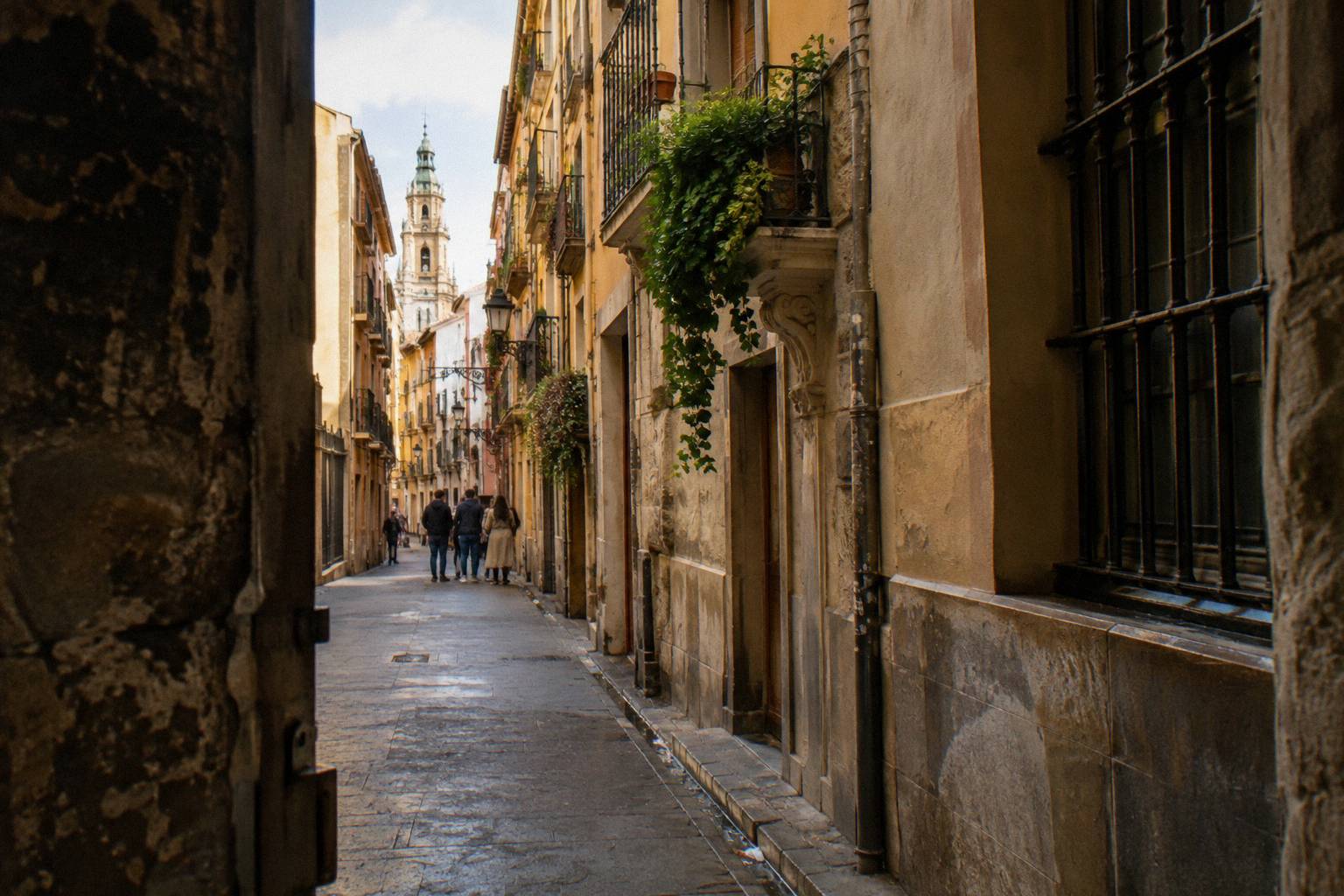
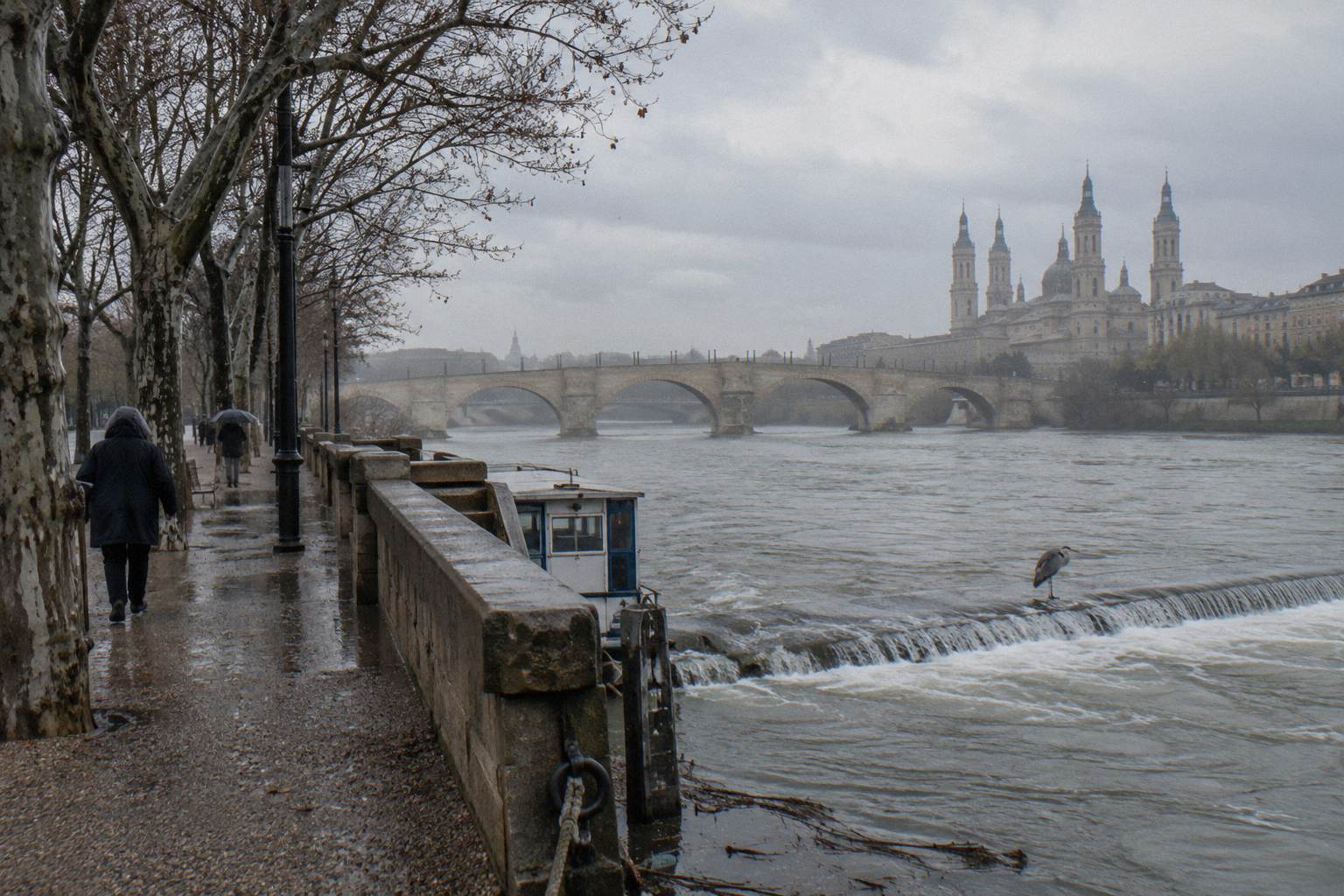
What surprises many first-time visitors is how much of it is free. The Plaza del Pilar is a public square, always open. The Basilica's temple is free to enter, as the official page states plainly: access to the temple is free. The Roman walls of Caesaraugusta stand at street level and are always visible from the public street. The Puente de Piedra and the Puente de Hierro are public bridges over the Ebro, always open. You can walk the length of the old town and see the exteriors of every famous building without paying anything.
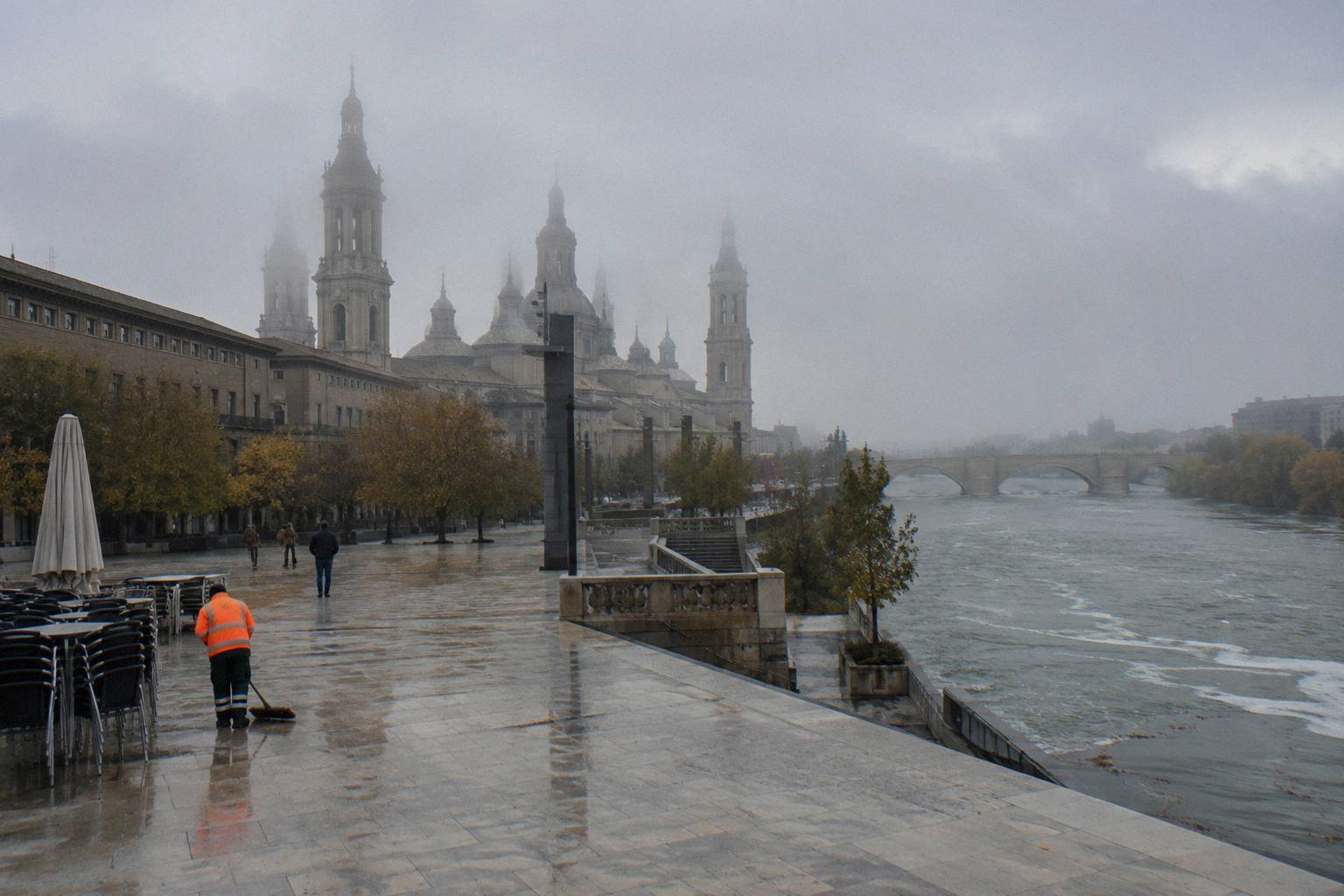
The paid parts sit beside the free ones, and the two are easy to confuse. Inside the Basilica complex, the tower lift, the Torre Mirador del Pilar, costs 6 EUR general, while the temple below it costs nothing. La Seo, a few steps away across the Plaza de la Seo, is ticketed at 10 EUR general, a ticket that also includes the Museo de Tapices and the Museo Pilarista. The Aljaferia is ticketed at 7 EUR general, free for under-12s, large families, the unemployed and visitors with a disability of 33 percent or more. For a fuller breakdown of the Basilica's own split, see the guide on basilica entry hours and extra costs.
The city's fame also comes from its festivals. The Fiestas del Pilar each October fill the streets, and the Ofrenda de Flores on 12 October and most street events are free to watch, though some concerts are ticketed. Semana Santa processions are likewise free to watch from public streets. The dates are set each year, so plan around the announcements rather than a fixed calendar. Beyond the festivals, the Mercado Central gives the old town its everyday life, entry free, with the food inside paid.
Is Zaragoza Worth Visiting?
Yes, for most travellers, because the famous cluster is compact, walkable and largely free to see. The old town around the Plaza del Pilar, La Seo, the Roman walls and the Ebro bridges can be covered on foot in a day. Add the free museums, the Centro de Historias, the IAACC Pablo Serrano, La Lonja and the Palacio de Sastago exhibitions, and a two or three day stay fills easily without buying a single monument ticket.
The honest case for Zaragoza is value. In most Spanish cities of comparable fame, the headline church, the palace and the Roman sites all charge. Here the headline square, the Basilica temple, the Roman walls, both Ebro bridges and the Puerta del Carmen are all free, and four museums are permanently free: the IAACC Pablo Serrano, the Centro de Historias, the exhibitions at La Lonja and at the Palacio de Sastago, plus the Museo de Zaragoza at Plaza de los Sitios. A visitor who spends nothing on entry can still see the majority of what the city is known for.
The case against is thinner but real. The city is not a beach destination and its fame is quieter than Seville's or Granada's. If you want nightlife-and-beach density, this is not it. What it offers instead is a walkable historic core, two large free parks, the Parque Grande Jose Antonio Labordeta and the Parque del Agua on the former Expo 2008 site, and a food street culture in El Tubo where the streets themselves are free to wander even when the tapas are paid. The question of whether a free tour beats a paid guided tour depends on your style, but either way the ground you cover costs nothing to stand on.
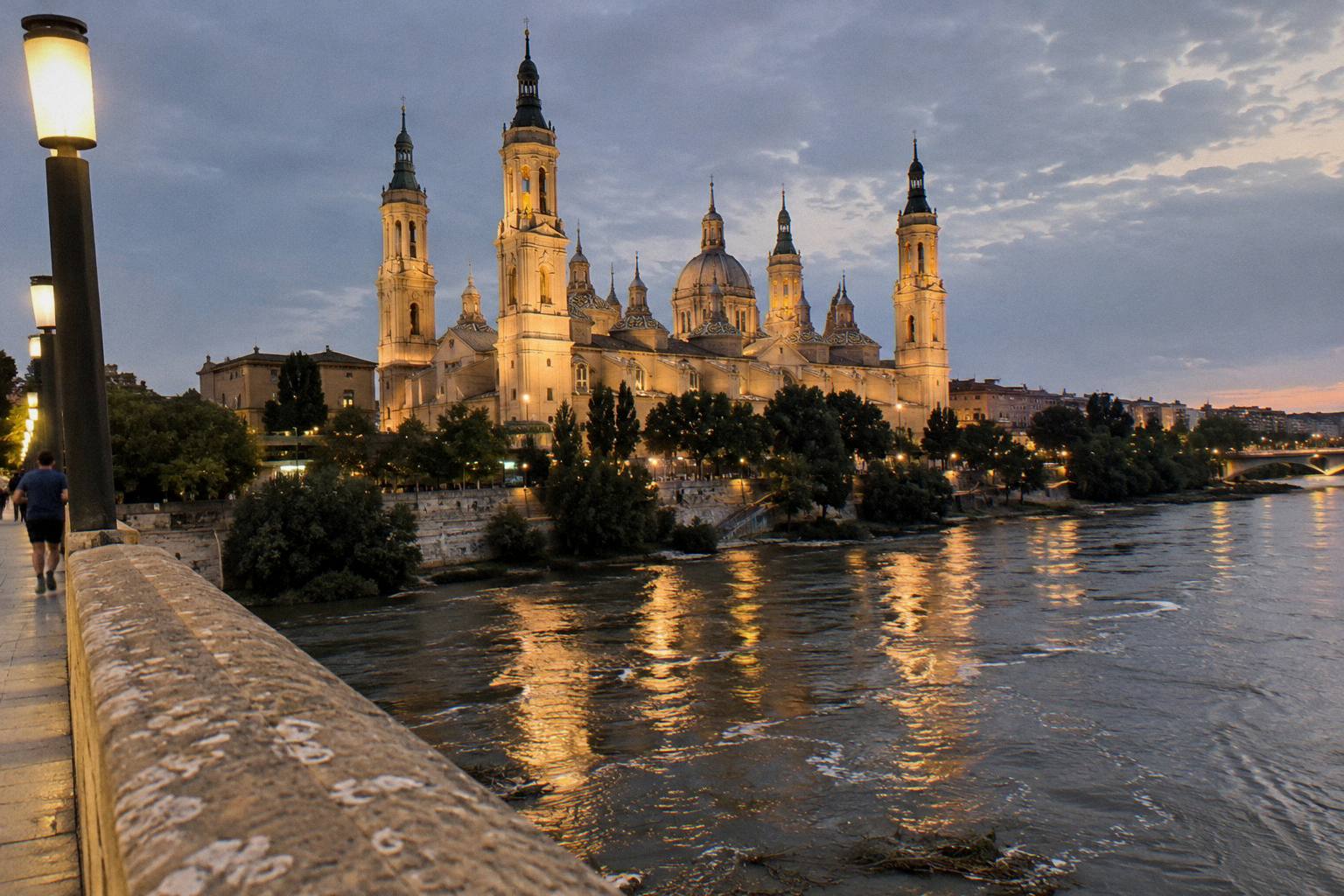
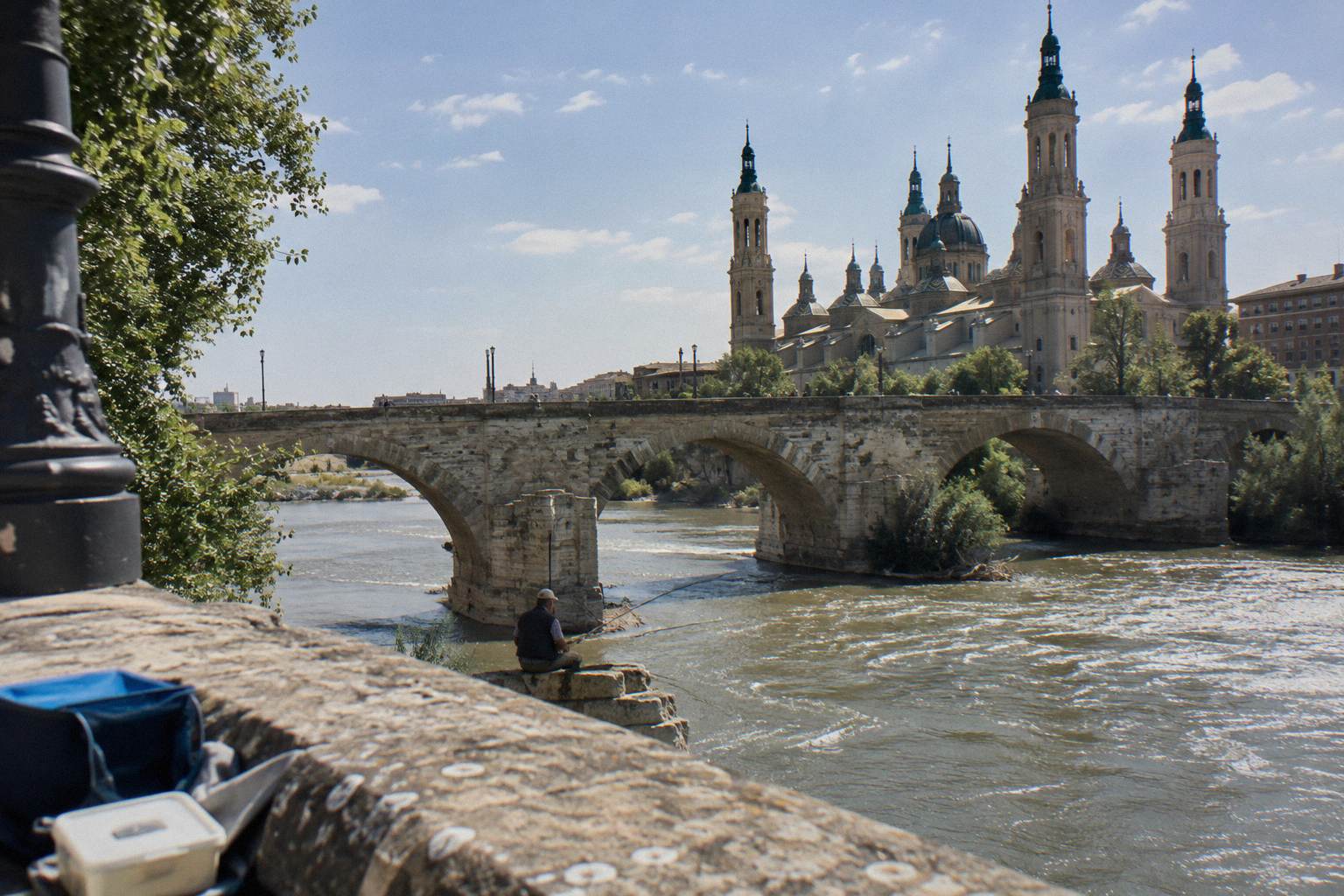
For a one-day visit, the classic route works: the Plaza del Pilar and the Basilica temple in the morning, the Puente de Piedra for the river view, La Seo's exterior and the Plaza de la Seo, then the Roman walls and the Torreon de la Zuda, whose mirador on the fifth floor is free. The full sequence is laid out in the one free day walking itinerary. Whether Zaragoza is "worth it" then becomes a question of pace rather than budget, because the budget can be zero. A longer stay opens the parks: the Parque Grande with its free Sala de Etnologia y Ceramica, and the riverside Parque del Agua, where the Pabellon Puente footbridge over the Ebro is free to walk even though the exhibition inside it, Mobility City, charges 10 EUR. The viewpoint from the Cabezo de Buenavista hill inside the Parque Grande costs nothing either, as long as you skip the paid restaurants on it.
Which Famous Sights Are Free?
Zaragoza's biggest names cost nothing: the Plaza del Pilar and Basilica del Pilar, the Roman walls of Caesaraugusta, the Puente de Piedra and Puente de Hierro, the Puerta del Carmen, the Torreon de la Zuda mirador, El Tubo, the Mercado Central, the Parque Grande, the Parque del Agua, plus the permanently free museums. Ticketed extras run 6 EUR for Torre Mirador, 10 EUR for La Seo, 7 EUR for the Aljaferia, and 3 to 4 EUR per Caesaraugusta museum.
The most important split in the whole city is the one at the Basilica. Entry to the temple is free, stated on the official page as free access to the temple, with the Santa Capilla open 8:00 to 20:30 and the main altar area open in morning and evening windows. The tower above it is a separate ticket: the Torre Mirador del Pilar costs 6 EUR general, with reductions to 5 EUR for over-65s, visitors with a disability over 33 percent and Zaragoza residents, 4 EUR for ages 13 to 18, under-26s with a youth card or student card and groups of 20 or more, and free for under-12s. A square never passes its free status to the tower beside it. The wider set of guides lives on Free Things To Do In Zaragoza.
The second split is at La Seo. The Plaza de la Seo outside it is a public square, always open. Inside, the general ticket is 10 EUR, which includes the Museo de Tapices and the Museo Pilarista, with reductions to 9 EUR and 7 EUR, free for under-12s, and free for residents of Aragon on the 5th, 10th, 17th and 24th of the month. The details are laid out in the guide on what is free and what costs money at La Seo.
| Sight | Free part | Paid part |
|---|---|---|
| Basilica del Pilar | Temple entry | Torre Mirador 6 EUR, Museo Pilarista inside the 10 EUR La Seo ticket |
| La Seo | Plaza de la Seo outside | 10 EUR general ticket |
| Aljaferia | Exterior from the street | 7 EUR general entry |
| Roman Caesaraugusta | Walls at street level | Forum, river port, baths and theatre museums 3 to 4 EUR each |
| Pabellon Puente | The bridge walkway | Mobility City inside 10 EUR |
| Centro de Historias | The exhibitions | Museo del Origami under the same roof 3 EUR |
The Roman layer is the friendliest to a zero budget. The walls of Caesaraugusta are street-level remains, always visible from the public street, and the Puerta del Carmen is a public monument on a street. The four indoor Caesaraugusta museums, the Foro, the Puerto Fluvial, the Termas Publicas and the Teatro, charge 3 to 4 EUR each but are free on the first Sunday of each month and free always for under-16s, teachers, the unemployed, visitors with a disability of 33 percent or more and over-65s. There is a 7 EUR combined ticket for all four. The whole Roman walk is mapped in the free route through the Roman ruins.
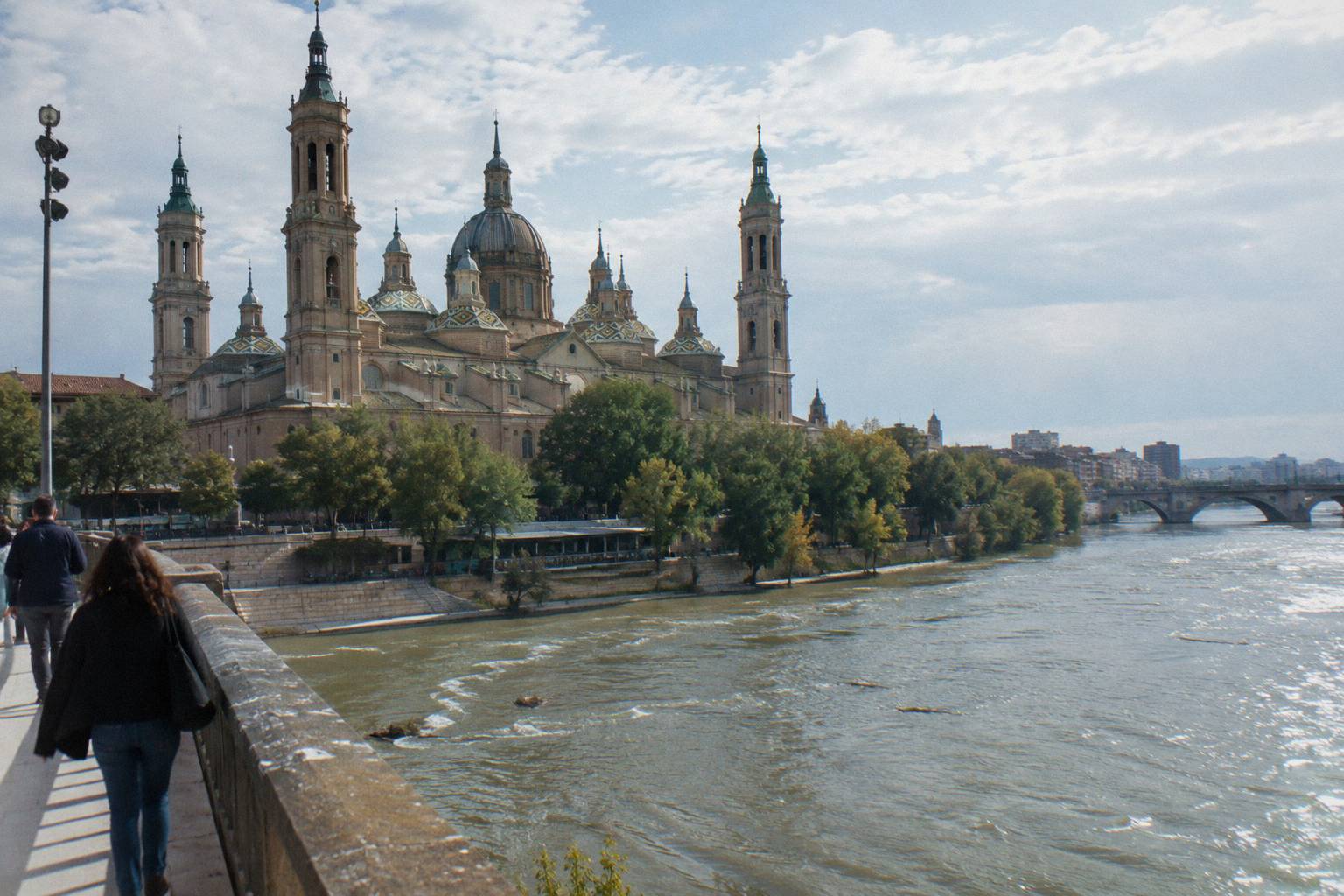
The museums add a second layer of free options. The IAACC Pablo Serrano is free, open Tuesday to Saturday 10:00 to 14:00 and 17:00 to 21:00, and Sundays and holidays 10:00 to 14:00. The Centro de Historias is free on the same rhythm, with Sundays and holidays 10:00 to 14:30. La Lonja's exhibitions are free, and the Palacio de Sastago's exhibitions are free too. The Museo de Zaragoza at Plaza de los Sitios is listed as free on the municipal page. Conditional frees are worth knowing as well: the Museo Goya Coleccion Ibercaja at 14 EUR and the Patio de la Infanta at 3 EUR are both free on the first Wednesday of the month, and CaixaForum at 6 EUR is free for ages 0 to 16 and several other groups. The full picture is in the free museums and free entry days guide.
How Do You See Them On A Free Walk?
The city has 3 free walking tours in English (1 on GuruWalk, 2 on freetour.com), each free to join and pay what you want, each covering one of the famous quarters: the Old Town and Pilar, the monuments and mudejar quarter, and a legends and photo-spots route. All run in English and Spanish, all meet at a named central point, and each lasts between 1 hour 45 minutes and 2 hours 30 minutes.
The Old Town option is Indispensable Zaragoza Free Tour: Old Town, listed on GuruWalk and run by the operator Paseicos. It runs 2 hours in English and Spanish, meets at the Statue of Caesar Augustus at Avenida de César Augusto 115, and is rated 4.96 out of 5 across 591 GuruWalk reviews. That meeting point places you right at the Roman wall, at the edge of the old town and a short walk from the Plaza del Pilar, the ground the walk's own category names: Old Town And Pilar. You can read more about how the tip-based tours work before reserving.
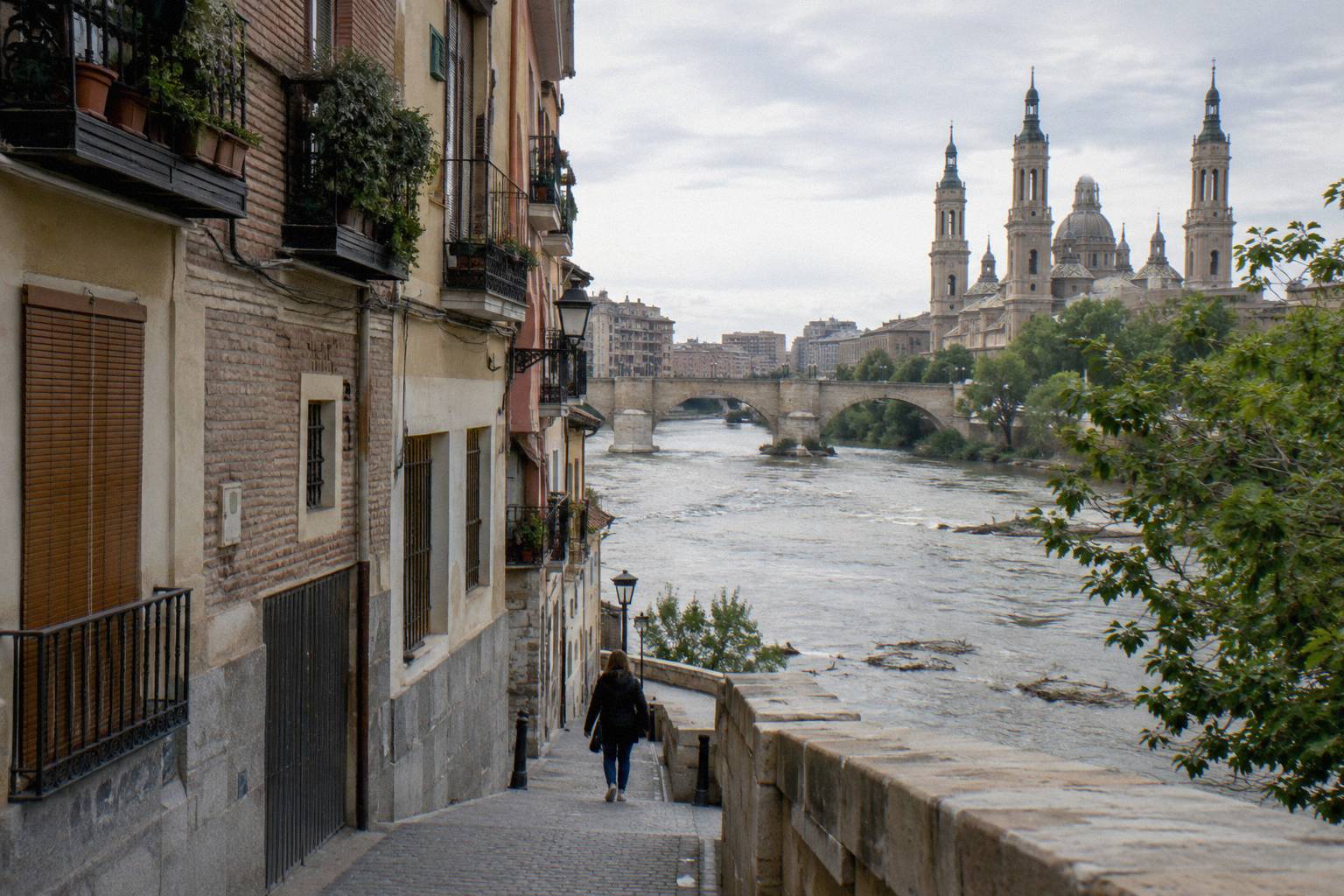
The monuments option is the one this article pairs with the famous sights, because its ground is the monumental core itself. Free Monumental Tour of Zaragoza is listed on freetour.com and provided by the operator Paraguas Rojos. It runs 1 hour 45 minutes in English and Spanish, meets at the Plaza de la Seo, next to the facade of La Seo, and is rated 9.2 out of 10 across 65 freetour.com reviews. Its category is Monuments And Mudejar, which is exactly the terrain of this article's famous list, and the meeting point sits between the Basilica and La Seo, the two headline buildings of the old town.
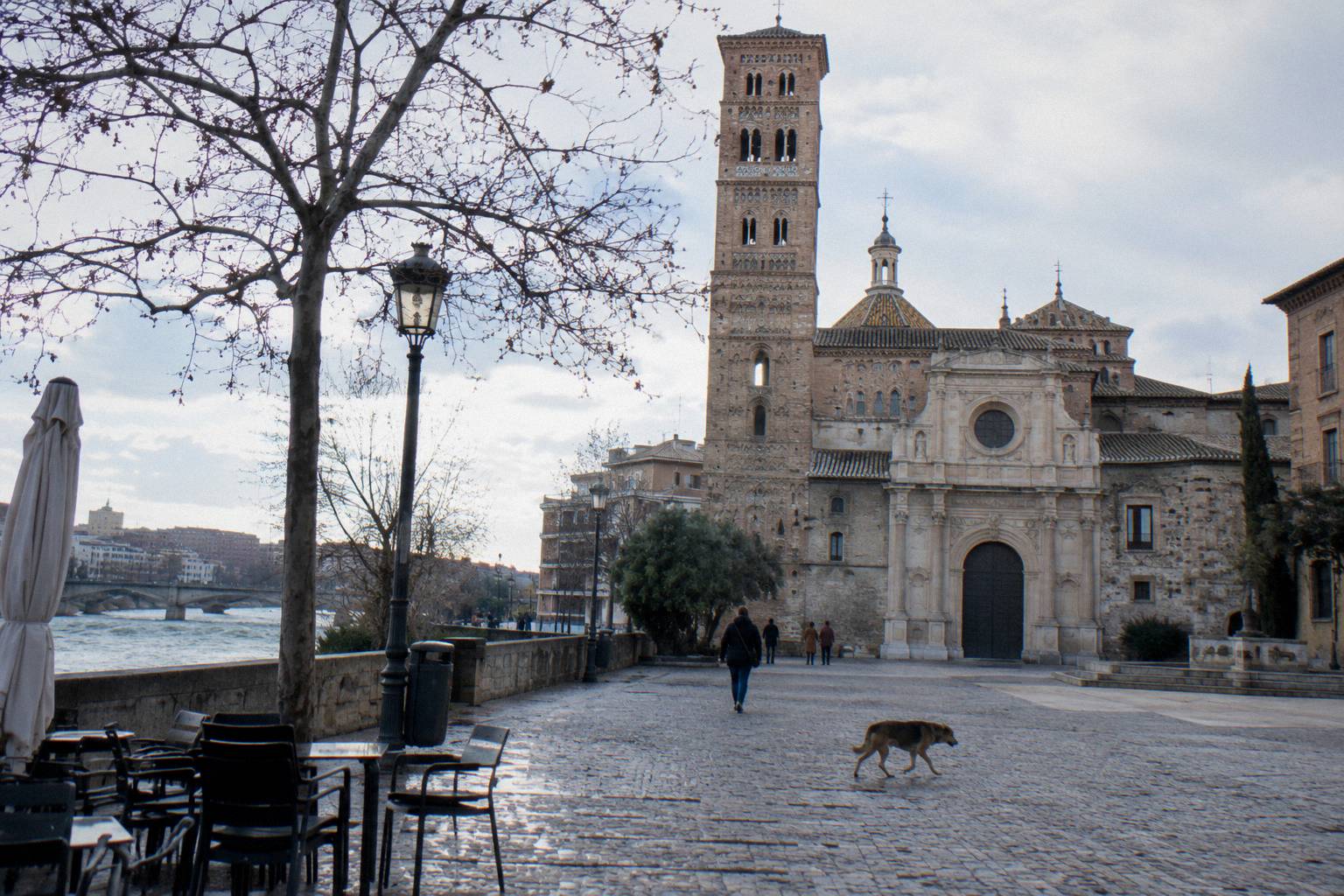
The third is Unforgettable Zaragoza Free Tour: Secrets, Legends and Photo Spots, listed on freetour.com and provided by the operator Mystic Xperience. It runs 2 hours 30 minutes in English and Spanish, meets at El Caballito de la Lonja on Calle de Don Jaime I, and is rated 9.4 out of 10 across 78 freetour.com reviews. Its category is Legends And Secrets, and its meeting point sits beside La Lonja, whose exhibitions are free, in the heart of the old town. No walk includes entry to any paid interior: La Seo, the Aljaferia and the towers are separate tickets whoever you walk with.
| Walk | Platform | Duration | Meets at | Rating |
|---|---|---|---|---|
| Indispensable Zaragoza Free Tour: Old Town | GuruWalk | 2 hours | Statue of Caesar Augustus, Avenida de César Augusto 115 | 4.96 out of 5 across 591 GuruWalk reviews |
| Free Monumental Tour of Zaragoza | freetour.com | 1 hour 45 minutes | Plaza de la Seo, next to the facade of La Seo | 9.2 out of 10 across 65 freetour.com reviews |
| Unforgettable Zaragoza Free Tour: Secrets, Legends and Photo Spots | freetour.com | 2 hours 30 minutes | El Caballito de la Lonja, Calle de Don Jaime I | 9.4 out of 10 across 78 freetour.com reviews |
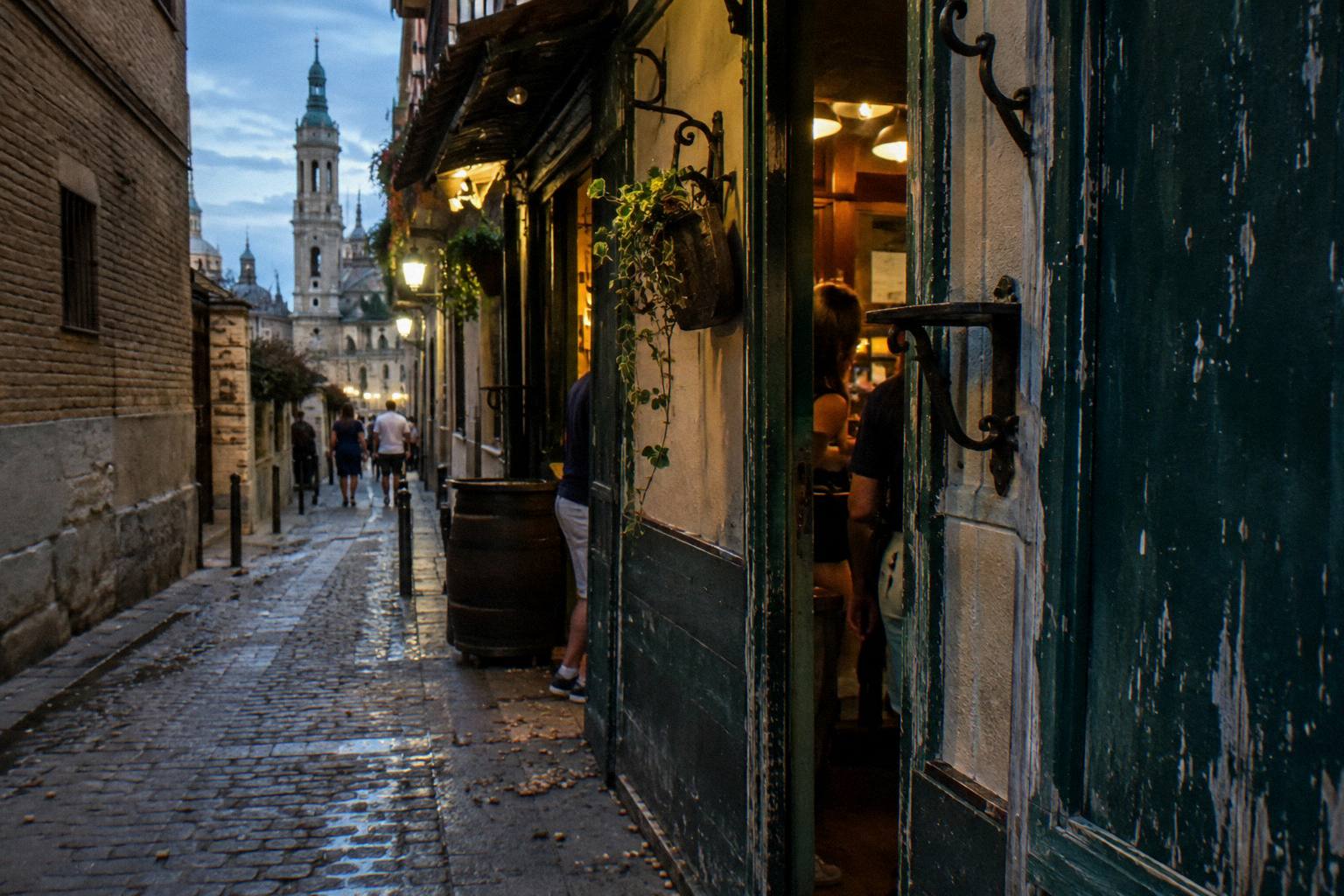
You can also see the famous sights on a self-guided walk, and many people combine the two. Start at the Puente de Piedra for the classic view across the Ebro to the Basilica, cross into the Plaza del Pilar, enter the Basilica temple free, then walk the Plaza de la Seo to La Seo's facade and along Don Jaime I past El Caballito de la Lonja into El Tubo. The Roman walls and the Torreon de la Zuda, with its free fifth-floor mirador, the Mirador de las cuatro culturas, close the loop. The stop-by-stop version is in the walking tour routes and stops guide, and practical booking details are covered in how to book a free tour in Zaragoza.
Mistakes That Trip People Up At The Famous Sights
The recurring mistakes are simple and avoidable: assuming the Basilica's free temple covers its tower, assuming La Seo is free because its square is, assuming the Aljaferia has a reliable free day, and assuming any free walk includes a paid interior. Each famous building in Zaragoza pairs a free exterior or square with a ticketed interior, and mixing the two is how budgets and plans go wrong. The splits below are the ones that catch the most visitors.
The first mistake is treating the Basilica as all one thing. The temple is free; the Torre Mirador del Pilar is 6 EUR general and a separate queue and lift. The second half of that mistake is the Museo Pilarista, which is not covered by anything at the Basilica: it sits inside the general La Seo ticket at 10 EUR. Visitors who "do the Pilar" and buy the tower can still leave without realising the museum they wanted belongs to a different church's ticket.
| Mistake | The reality |
|---|---|
| "The Basilica tower is part of the free entry" | Temple free, Torre Mirador 6 EUR general |
| "La Seo is free, the square is lovely" | Plaza de la Seo free; La Seo 10 EUR general |
| "The Aljaferia has a free Sunday" | Entry is ticketed, 7 EUR general; free for under-12s, large families, unemployed and disability 33 percent or more |
| "The palace museums are all free" | Patio de la Infanta 3 EUR, CaixaForum 6 EUR, Museo Goya 14 EUR, each free only on the first Wednesday |
| "The free walk includes the cathedral" | No walk includes a paid interior; La Seo is a separate ticket |
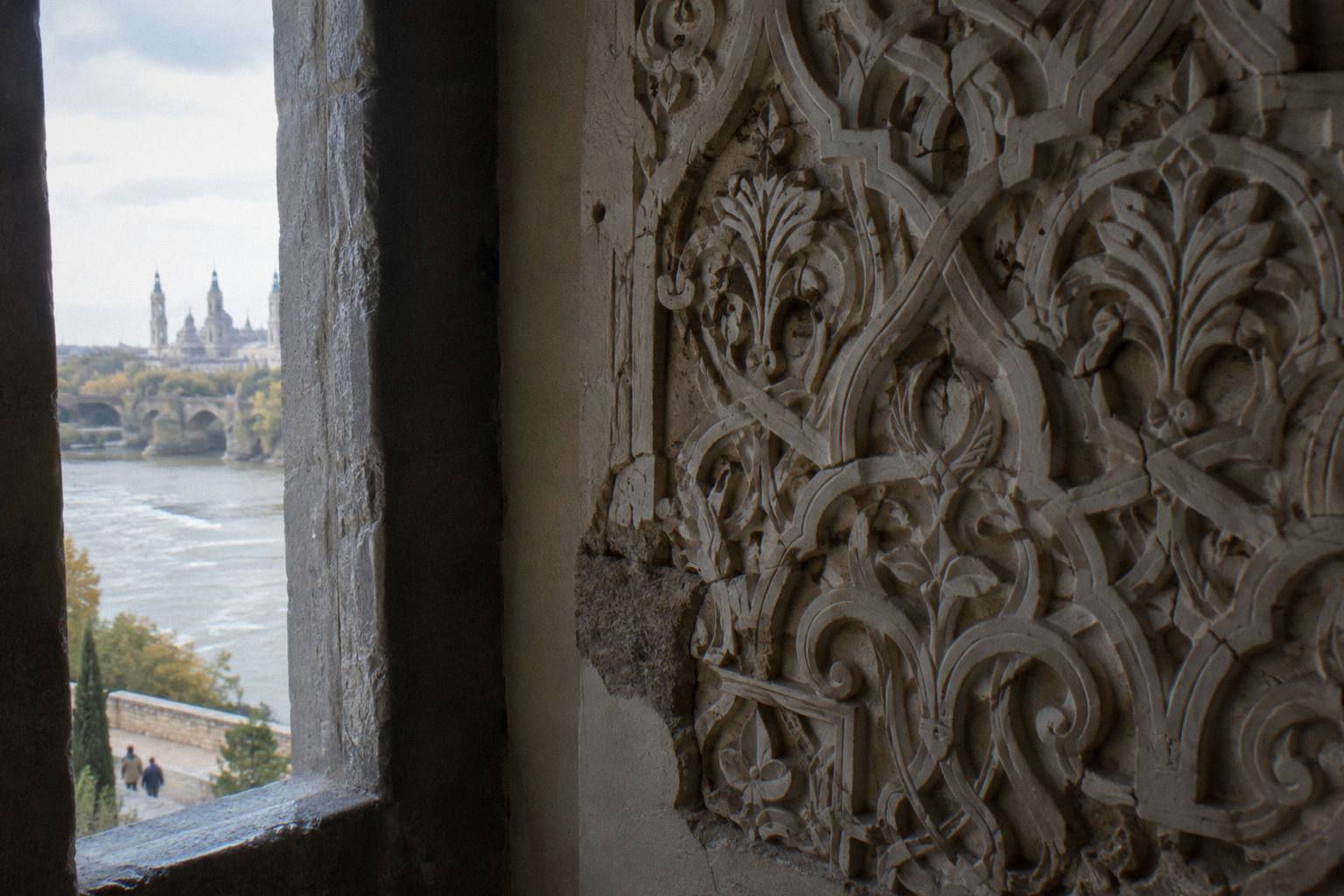
The second mistake is the Aljaferia's free days. The official wording on the free days is printed ambiguously, so the safe statement is: entry is ticketed at 7 EUR general, and it is free for the listed groups, under-12s, large families, the unemployed and visitors with a disability of 33 percent or more. Anyone banking on a free Sunday should confirm on the official page before planning the day around it. The palace's hours are Mon-Sat 10:00 to 18:00 and Sunday 10:00 to 14:00, with last entry 45 minutes before closing, and checking the official page is the only way to treat those hours as current. More detail is in the Aljaferia tickets and opening hours guide.
The third mistake is stacking free days that do not stack. The municipal museums free on the first Sunday, the Ibercaja venues free on the first Wednesday, La Seo free for Aragon residents on fixed dates of the month: these are different bodies with different rules, and a day that is free at one is a full-price day at the other. Plan the calendar around each venue's own rule rather than a single "free day" idea. The one-counted walk rule matters here too: the three English walks above are the full English offer, so there is no fourth walk to fall back on if a slot is full, and reserving ahead on GuruWalk or freetour.com is the practical move.
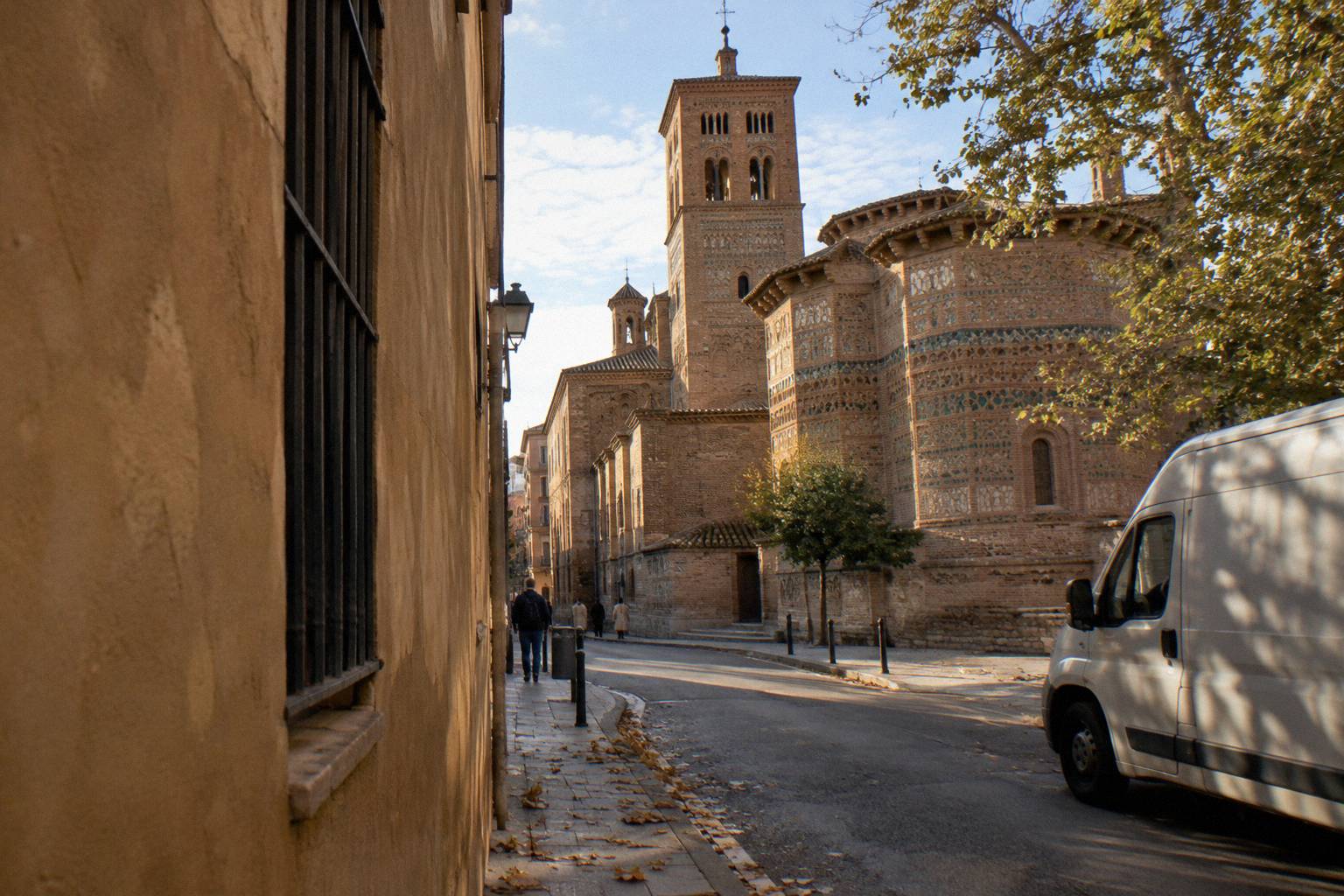
A fourth mistake, quieter than the others, is assuming the famous mudejar churches are free to enter because their facades are public. The Iglesia de San Pablo charges 4 EUR general and is free only on Mondays 18:00 to 19:00 in worship hours. The Iglesia de la Magdalena is free to enter during worship, but its guided visits cost 8 EUR. Seeing the towers and brickwork from the street costs nothing, and the doors are a separate question, as the walk through the mudejar towers and churches explains in full.
Common Questions About Zaragoza's Famous Free Sights
What Is Zaragoza Best Known For?
Zaragoza is best known for the Basilica del Pilar above the Ebro, the Roman remains of Caesaraugusta, the mudejar La Seo, the Aljaferia palace and the Puente de Piedra. The Plaza del Pilar, the Basilica temple, the Roman walls and the bridges are all free to see.
Is Zaragoza Worth Visiting?
Yes. The famous cluster is compact and walkable, and most of it is free: the square, the Basilica temple, the walls, the bridges and four permanently free museums. A two or three day visit fills easily without buying a single monument ticket.
Is The Basilica Del Pilar Free To Enter?
Entry to the temple is free. The Torre Mirador del Pilar inside the same building is a separate ticket at 6 EUR general, and the Museo Pilarista sits inside the 10 EUR La Seo ticket rather than the Basilica's arrangements.
Which Famous Sights Are Free?
The Plaza del Pilar, the Basilica temple, the Roman walls of Caesaraugusta, the Puente de Piedra, the Puente de Hierro, the Puerta del Carmen, the Torreon de la Zuda mirador, El Tubo, the Mercado Central and both large parks. The IAACC Pablo Serrano, the Centro de Historias, La Lonja and the Palacio de Sastago exhibitions are also free.
Can You See The Famous Sights On A Free Walking Tour?
Yes. There are 3 free walking tours in English (1 on GuruWalk, 2 on freetour.com), covering the Old Town And Pilar, the Monuments And Mudejar quarter and the Legends And Secrets route. All are free to join, pay what you want, and run in English and Spanish.
Is The Aljaferia Free?
Entry is ticketed at 7 EUR general. It is free for under-12s, large families, the unemployed and visitors with a disability of 33 percent or more. Confirm the current position on the official page before planning a visit around any free day.