Parque Grande Jose Antonio Labordeta: A Free Park Walk In Zaragoza
A free walk through Parque Grande Jose Antonio Labordeta in Zaragoza: what is free inside the park, the Cabezo de Buenavista viewpoint, the free Sala de Etnologia y Ceramica, and how to pair the park with a free walking tour.
In Short
Parque Grande Jose Antonio Labordeta is a public park with free entry, free to walk at any time, and it holds two more free things: the Cabezo de Buenavista hill and viewpoint, and the Sala de Etnologia y Ceramica, open Tue-Sat 10-14 and 17-20 and Sun 10-14, always free. Restaurants on the hill are paid. The park sits apart from the old town, where 3 free walking tours in English (1 on GuruWalk, 2 on freetour.com) cover the monuments instead.
This question sits inside the free park and riverside walks guide.
Quick Facts
| Question | Answer |
|---|---|
| Is the park free to enter? | Yes, it is a public park, free to enter and always open |
| Is the Cabezo de Buenavista viewpoint free? | Yes, the hill and viewpoint inside the park are free |
| Are there paid things in the park? | Yes, any restaurant on the Cabezo de Buenavista hill is paid |
| Is there a free museum inside the park? | Yes, the Sala de Etnologia y Ceramica is free |
| Museum opening hours | Tue-Sat 10-14 and 17-20, Sun 10-14 |
| Free walks near the old town | 3 free walking tours in English (1 on GuruWalk, 2 on freetour.com) |
Is Parque Grande Free To Enter?
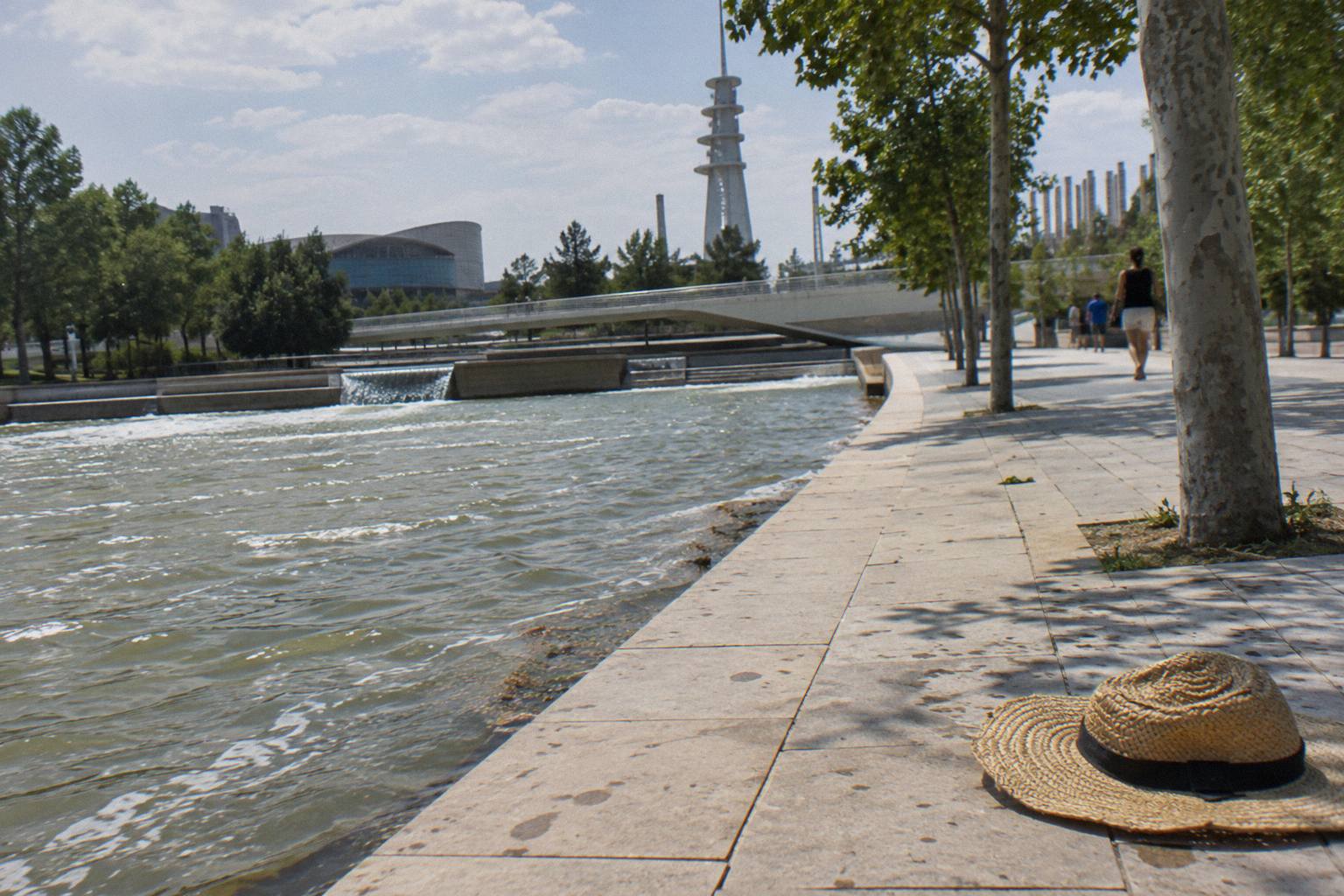
Yes, Parque Grande Jose Antonio Labordeta is a public park and entry is free, with no gate, no ticket office and no closing charge of any kind. Everything on foot, from the avenues and gardens to the hill and viewpoint, is open public space, and the only things that cost money are the restaurants on the Cabezo de Buenavista hill.
That free status is the whole reason this park belongs on a site about free things to do in Zaragoza. Plenty of cities have a flagship park that quietly attaches a fee to its best corner, an entry charge for the botanical section, or a paid mirador at the top of the hill. Here the arrangement is simpler. The park is a public space, the hill inside it is a public hill, and the viewpoint at the top is free to stand at and look out from. Nothing in the official record attaches a price to any of that.
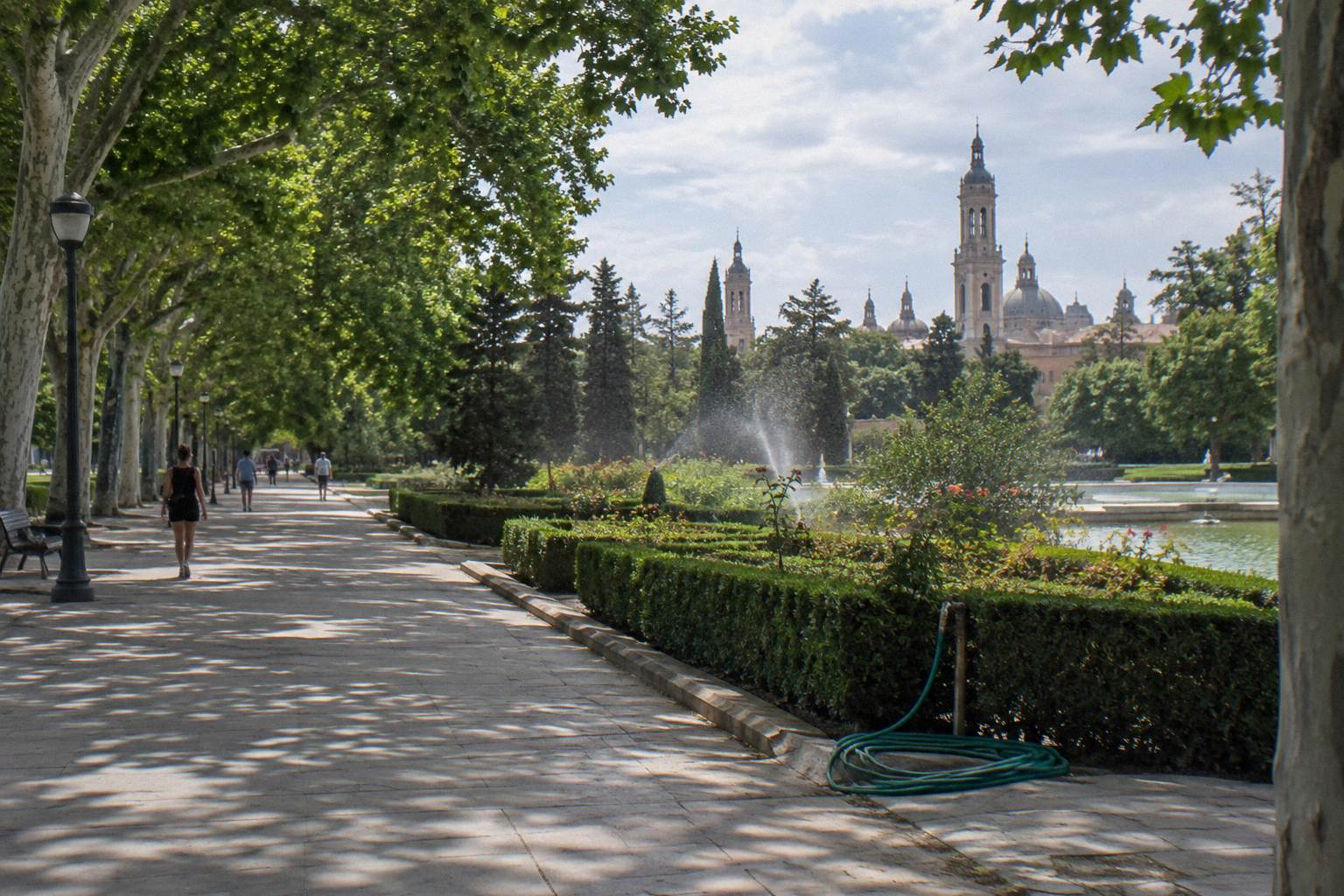
The park carries the name Jose Antonio Labordeta, and it is widely called Parque Grande, the big park, by the people who use it. Both names point to the same place: a large green expanse that works as the city's principal public park. It is not a garden behind a railing or a square with some grass. It is a park in the full sense, big enough that a walk across it is a walk, not a crossing, and it is that scale which makes it a genuine free activity rather than a pleasant five minutes between two sights.
What the free entry buys you, in practical terms, is time. A paid attraction asks you to decide, before you go in, whether it is worth the ticket. A free park asks nothing. You can walk in for ten minutes on the way somewhere else, or you can spend a whole slow afternoon there, and the cost is the same either way: nothing. For a traveller balancing a budget across a city that does have real paid draws, the Torre Mirador del Pilar at 6 EUR, La Seo at 10 EUR, the Aljaferia at 7 EUR, a park like this is the counterweight that keeps the day's spending where you set it.
It is also worth being precise about what "free park" does and does not mean here, because Zaragoza's attractions mix the two constantly. The Basilica del Pilar temple is free while its tower is 6 EUR. The Pabellon Puente bridge is free while Mobility City inside it is 10 EUR. The Centro de Historias is free while the Museo del Origami under the same roof is 3 EUR. A square or a bridge or an exterior never passes its free status to the interior or the tower beside it. Parque Grande does not have that trap in the same shape: the park itself, the hill and the viewpoint are all free, and the only paid layer is the restaurants, which nobody would expect to be free anyway.
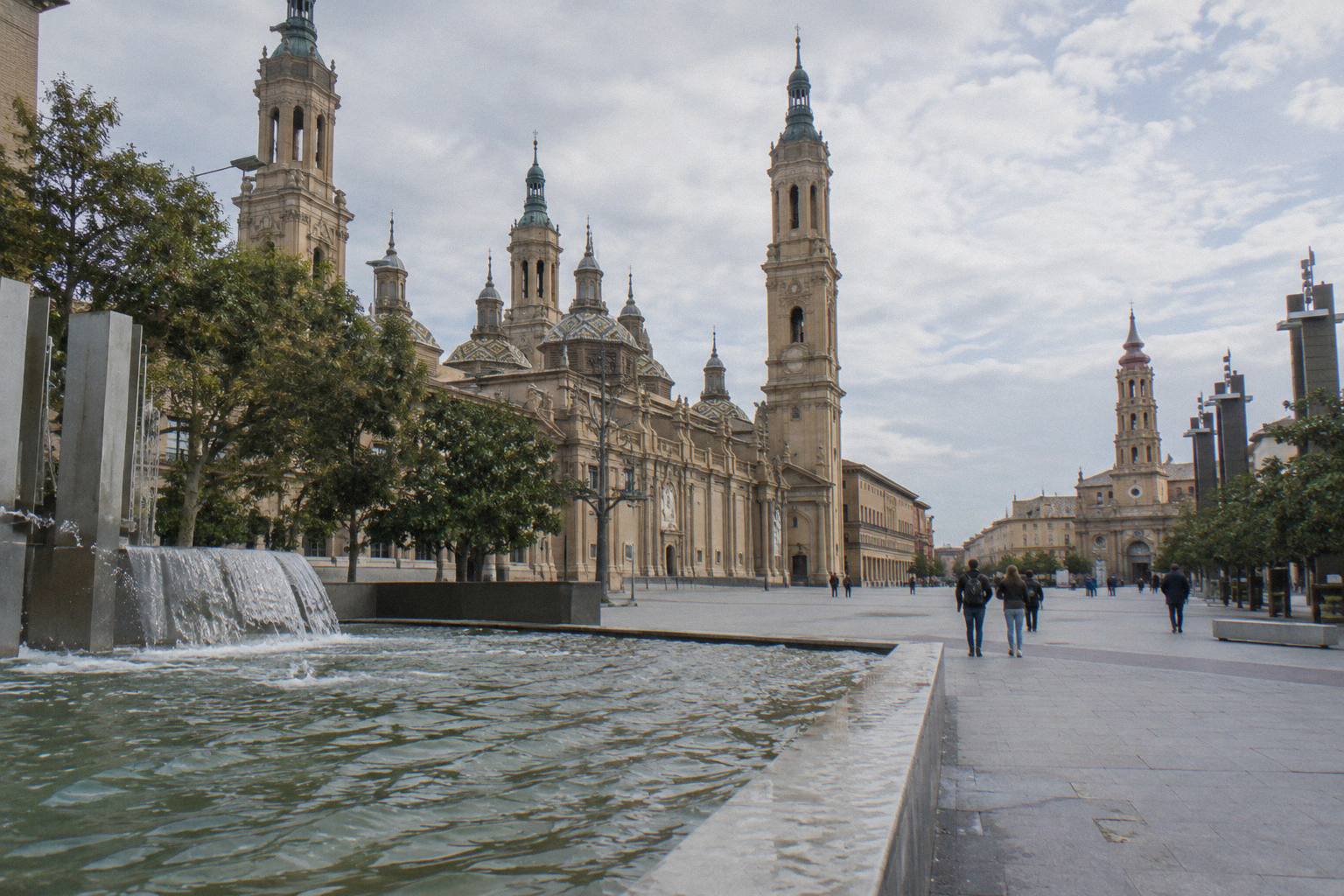
What Else Is Free Inside The Park?
Two free attractions sit inside the park beyond the grounds themselves: the Cabezo de Buenavista, a hill whose viewpoint is open public space with no hours and no charge, and the Sala de Etnologia y Ceramica, a museum listed as free on the official sheet, open Tue-Sat 10-14 and 17-20 and Sun 10-14, so your visit needs to fit its municipal hours rather than the park's own freedom.
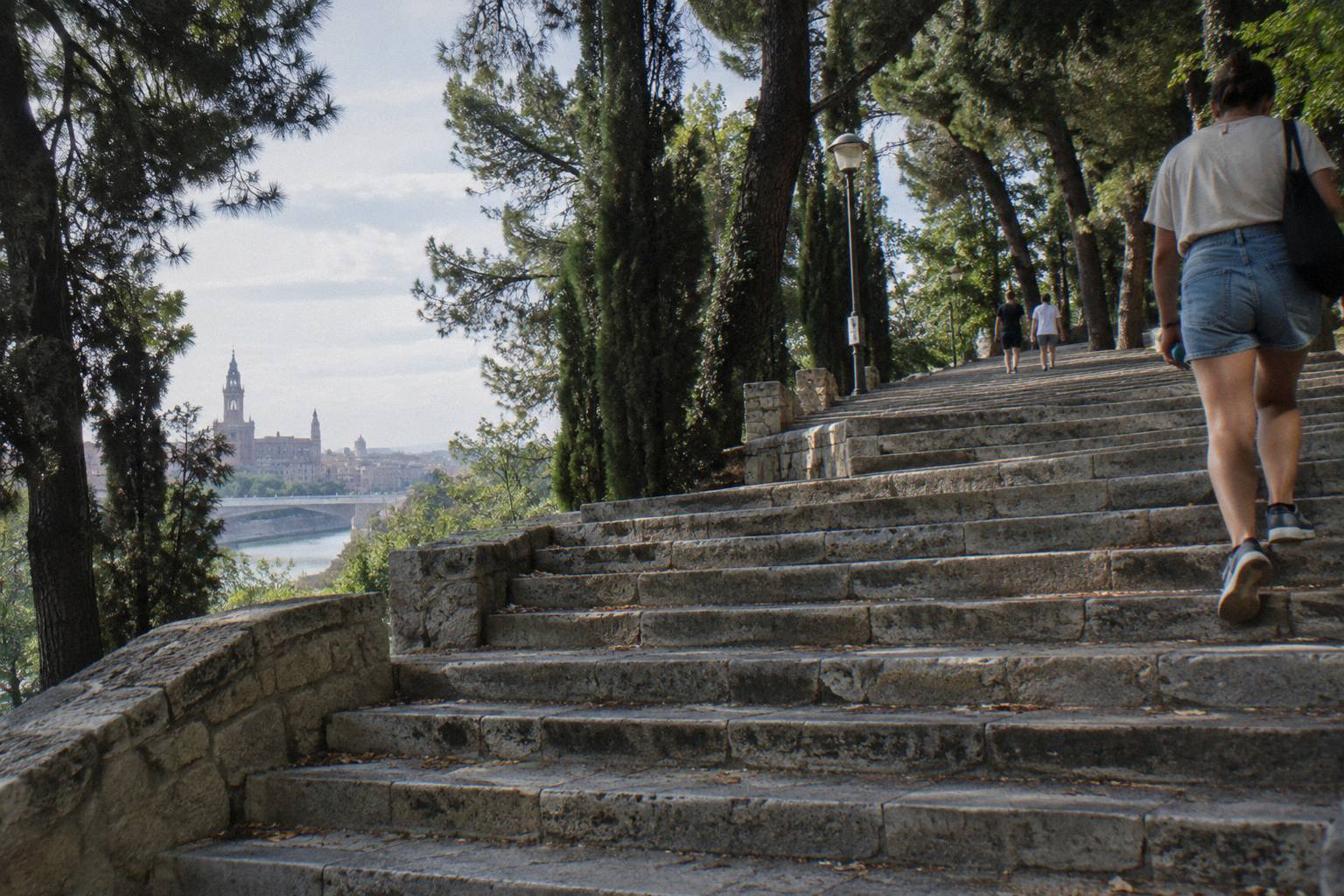
The Cabezo de Buenavista is the park's high ground. The record describes it plainly: a hill and viewpoint inside the park, free, with any restaurant on the hill paid. That is the full contract, and it is a good one for a free itinerary, because a viewpoint is one of the things travellers most often get charged for in Spanish cities. In Zaragoza the pattern cuts both ways. The Torreon de la Zuda's mirador on the fifth floor is free, the Cabezo de Buenavista is free, while the Torre Mirador del Pilar charges 6 EUR general with reductions down to 4 EUR and free entry for under 12s and disability over 50 percent. Choosing the free viewpoints does not mean choosing worse ones, it means choosing where the city decided a lift was worth a ticket and where it did not.
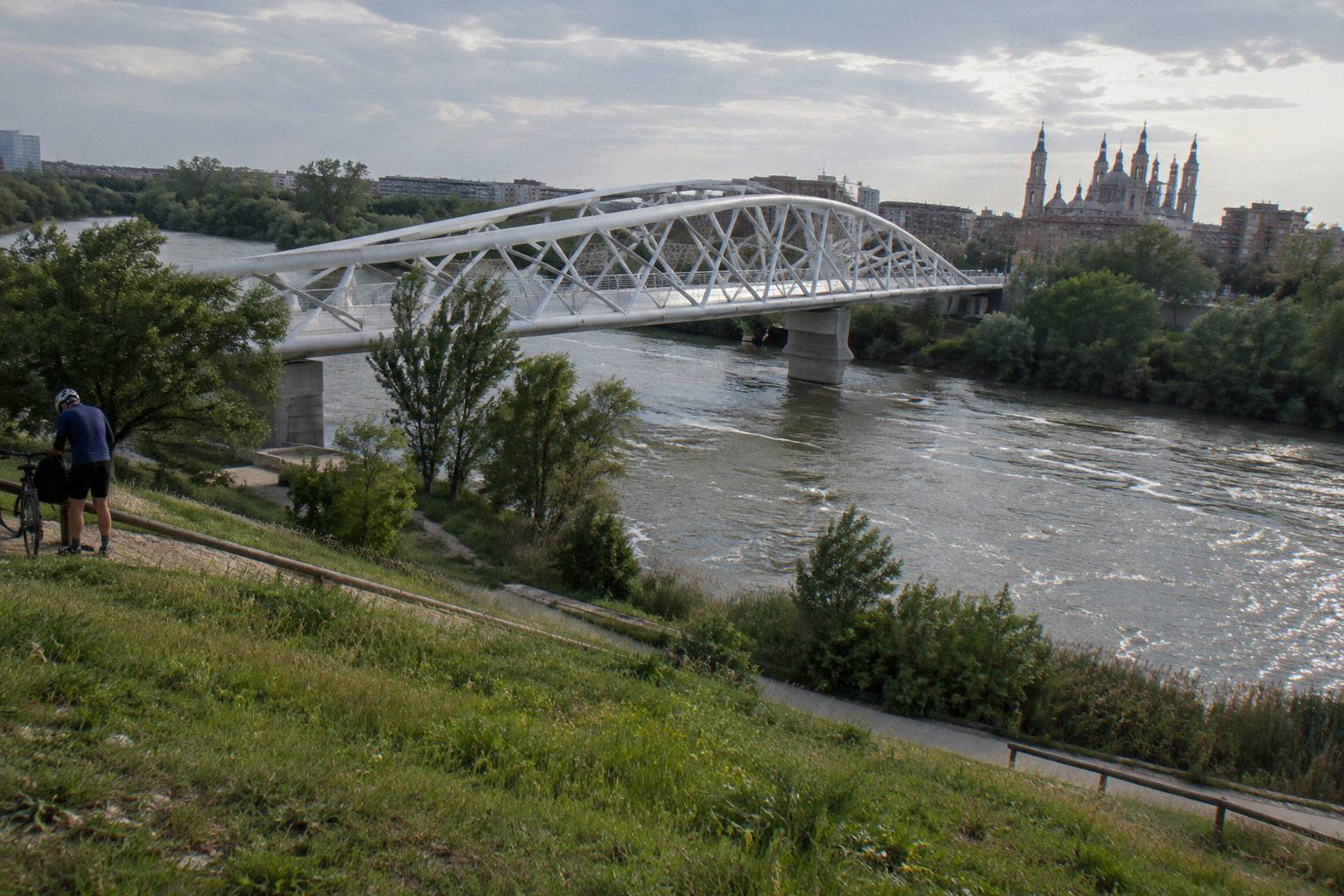
The hill's restaurants are the honest caveat, and the record states them as paid, full stop. There is nothing wrong with them and nothing hidden about it. The point for a free-walk plan is simply that the hill itself, the path up and the view from the top, carry no charge, and a coffee or a meal on the way is a choice, not a condition of the visit.
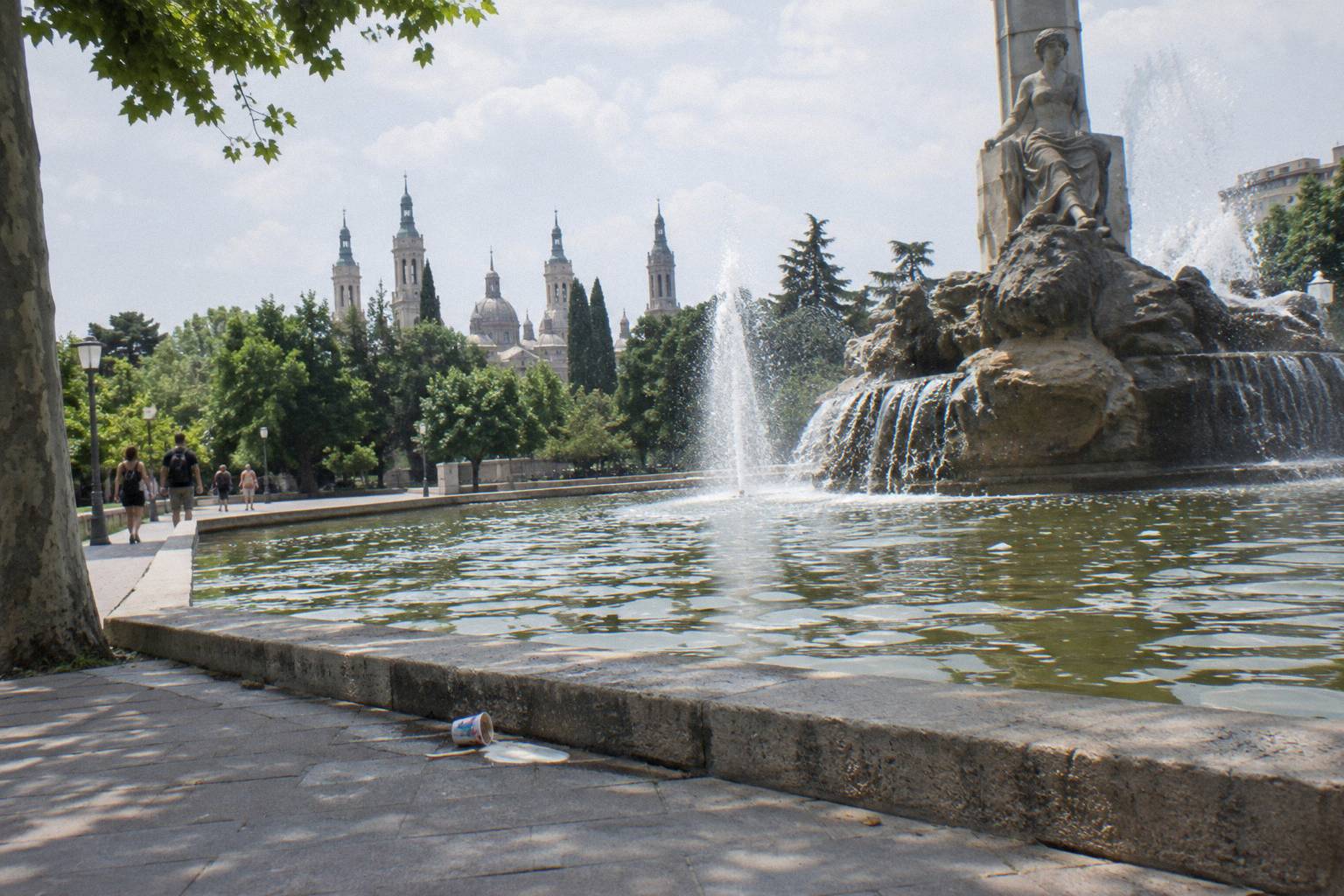
The Sala de Etnologia y Ceramica is the park's second free gift, and the more structured one. It is listed free, GRATUITO, on the official monuments sheet, with hours Tue-Sat 10-14 and 17-20 and Sun 10-14. That makes it one of a small set of always-free museums in the city, alongside the IAACC Pablo Serrano, the Centro de Historias, the exhibitions at La Lonja and the Palacio de Sastago, the Museo de Zaragoza and the Torreon de la Zuda. This matters because a lot of Zaragoza's museum landscape is only conditionally free. The Museo del Origami is 3 EUR and free on the first Tuesday and first Sunday of the month. The Museo Goya Coleccion Ibercaja is 14 EUR, free on the first Wednesday. The Caesaraugusta museums charge 3 to 4 EUR and open free on the first Sunday. The Sala de Etnologia y Ceramica asks for nothing on any day it is open, which makes it one of the easiest free visits in the city to plan around.
Pair the two in one visit and the park becomes a half-day free programme on its own: the museum inside its opening hours, the hill whenever the light suits the view, and the walk between them through the park's grounds for as long as the afternoon allows.
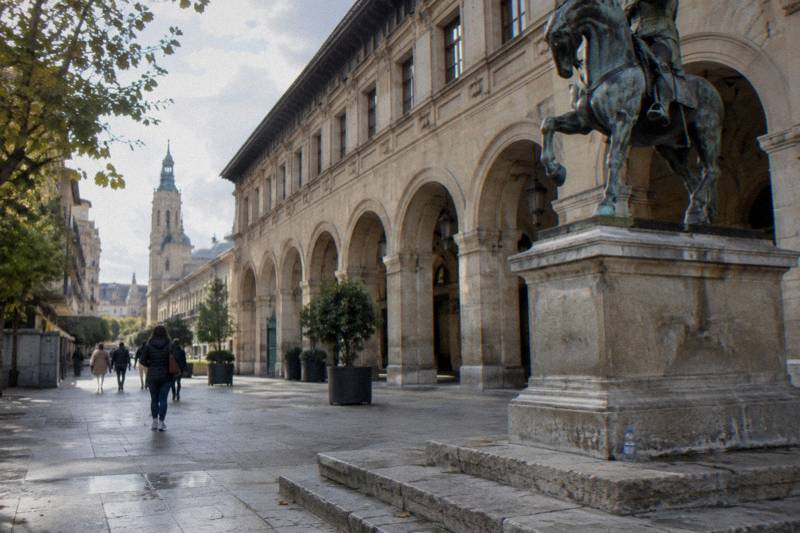
For visitors who want the old town's stories rather than the park's quiet, the free walks cover different ground entirely. Unforgettable Zaragoza Free Tour: Secrets, Legends and Photo Spots, listed on freetour.com, meets at El Caballito de la Lonja, Calle de Don Jaime I, in the old town, runs 2 hours 30 minutes, and is rated 9.4 out of 10 across 78 freetour.com reviews. It is free to join, pay what you want, and freetour.com says tip based. The park and the walks are complements, not substitutes, and later sections of this article lay out how to fit them together.
What Should You Know Before You Go?
Before visiting, know that the park is always open while the museum inside keeps fixed hours (Tue-Sat 10-14 and 17-20, Sun 10-14), so the museum sets your timetable. The restaurants on the hill are the only paid elements, and since the park sits away from the old-town circuit where free walking tours run, plan it as its own block of time rather than a detour.
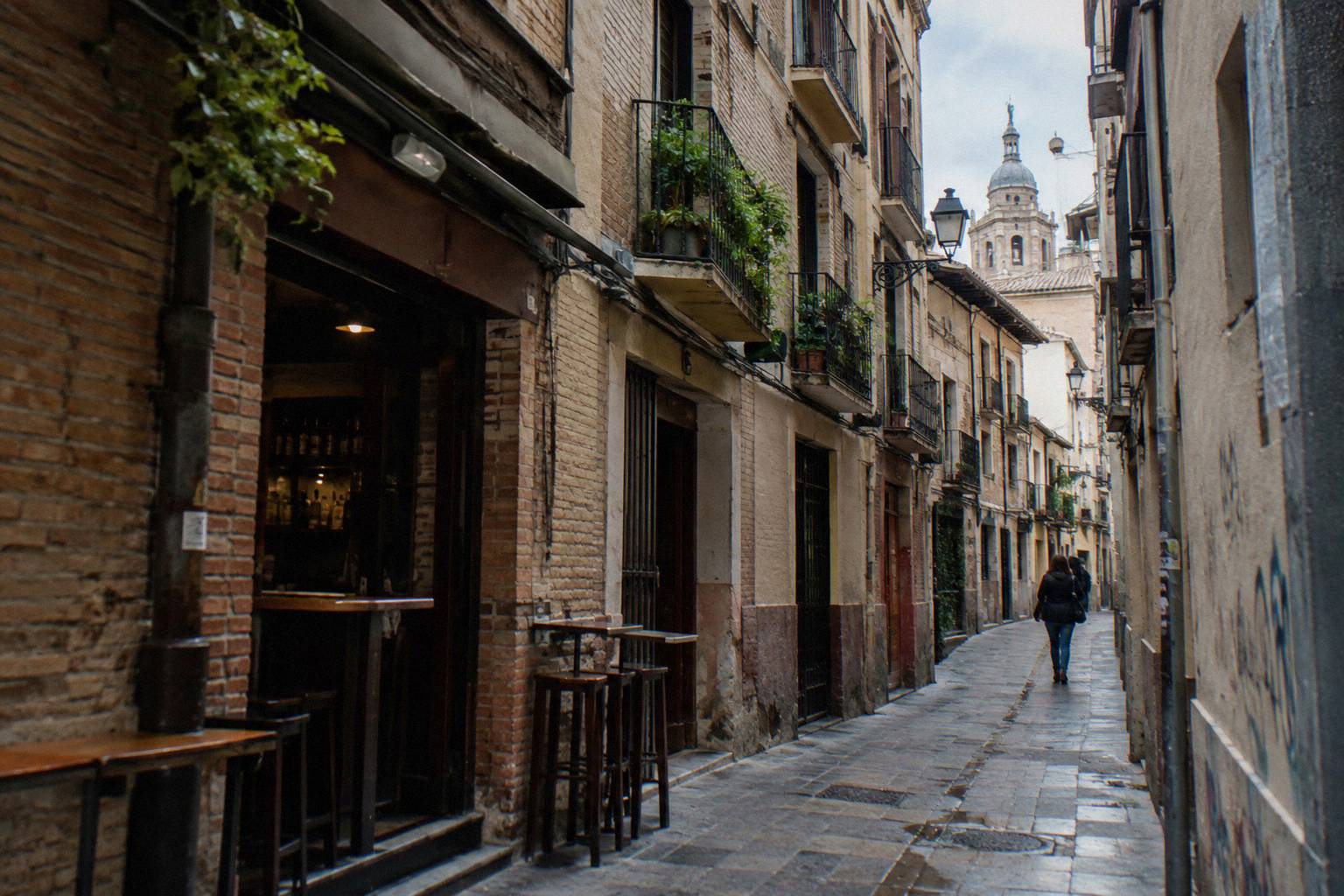
Start with the timetable point, because it is the one people miss. A public park has no opening hours to check: it is open public space, always. The Sala de Etnologia y Ceramica does not work that way. Its windows are Tue-Sat 10-14 and 17-20, Sun 10-14, which means it closes in the afternoons on weekdays and does not open at all on Mondays. A visitor who arrives at the park on a Monday morning expecting the museum will still get a full, free park walk, the hill, the viewpoint, the grounds, but not the museum. Anyone whose heart is set on the ethnology and ceramics collection should anchor the day to Tue-Sat morning, the late window, or a Sunday morning. The full index of guides sits on Free Things To Do In Zaragoza.
| Free thing in the park | Hours or condition | Any catch |
|---|---|---|
| Park grounds | Public space, always open | None |
| Cabezo de Buenavista hill and viewpoint | Public space, always open | None |
| Sala de Etnologia y Ceramica | Free, Tue-Sat 10-14 and 17-20, Sun 10-14 | Closed Mondays |
| Restaurants on the hill | Paid, like any restaurant | The only paid part of the visit |
Second, the paid-versus-free line inside the park is unusually clean, and it is worth keeping it clean. The record names the hill restaurants as the paid element and leaves everything else free. There is no conditional free day here, no first-Sunday or first-Wednesday rule to remember, no residents-only window as La Seo has for residents of Aragon on the 5th, 10th, 17th and 24th of the month. The park's free status is unconditional, which is rarer in Zaragoza than it sounds. When a city's attractions run from always free (IAACC Pablo Serrano) to conditional (Origami, first Tuesday and first Sunday) to flatly paid (CaixaForum at 6 EUR), an attraction with no asterisk at all is the easiest kind to plan.
Third, geography. The park is its own destination, and the site's data is deliberately thin on getting around: no transport claims, no walking times between places beyond what a record states. What can be said is what the records say. The free walking tours all meet in the old-town core: the Old Town walk at the Statue of Caesar Augustus, Avenida de César Augusto 115; the Monumental walk at the Plaza de la Seo, next to the facade of La Seo; the Secrets, Legends and Photo Spots walk at El Caballito de la Lonja, Calle de Don Jaime I. Those meeting points sit in the historic centre, and the park sits outside it. Treat them as two separate items on the itinerary, and the day stops being a race between them.
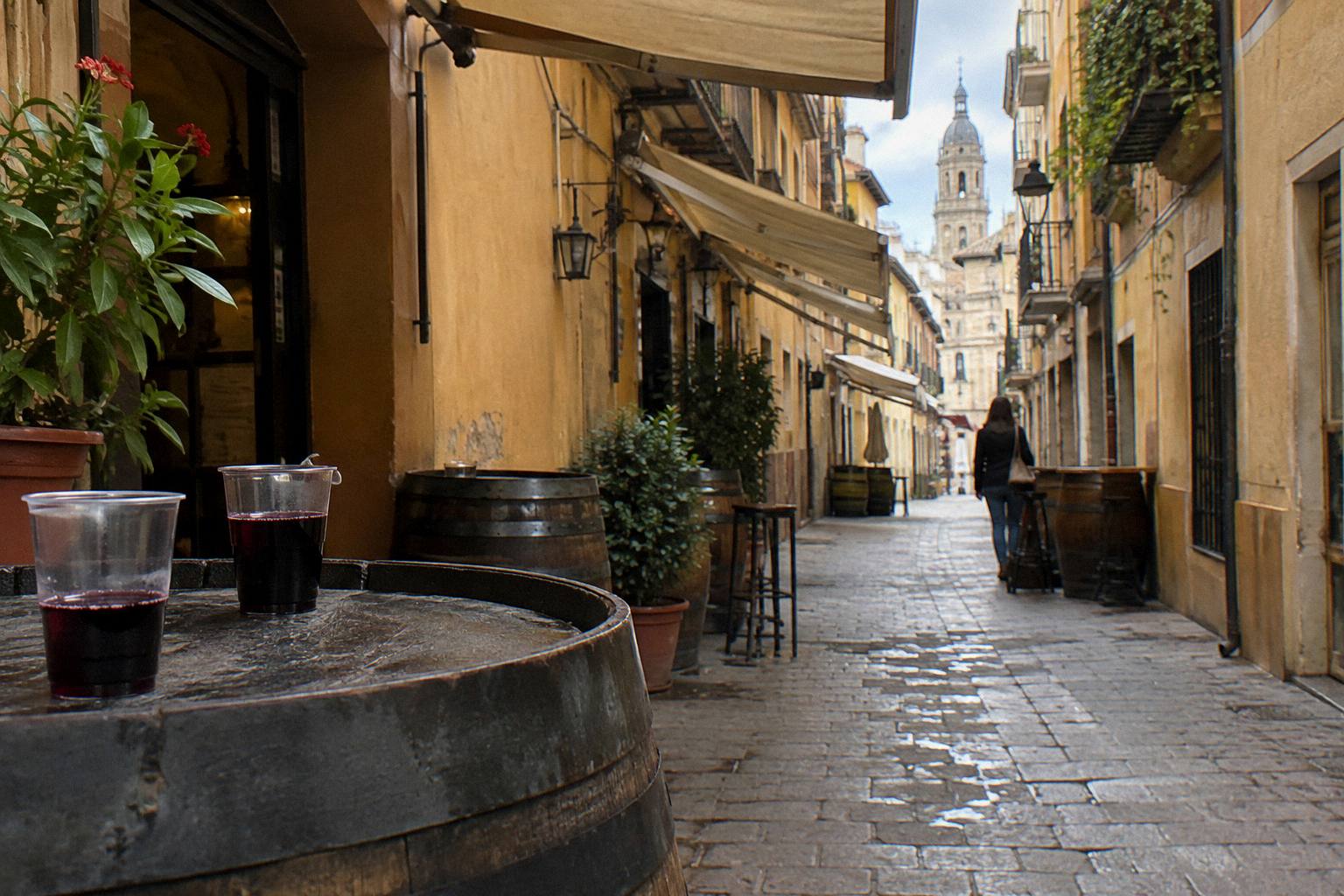
A practical rhythm follows from that. Give the park either a morning or a late afternoon of its own, with the museum fitted to its hours and the viewpoint taken at whatever hour suits the light. Reserve the old town for a walk day, arriving at a meeting point with time to spare. The two halves of a Zaragoza free itinerary, the parks and the walks, do not compete for the same hours if you let each keep its own block.
How Does The Park Fit Beside A Free Walk?
The park and the free walking tours work as complementary halves of one free itinerary: Zaragoza's 3 free English tours (1 on GuruWalk, 2 on freetour.com) cover the old town's streets and monuments, while Parque Grande adds green space, a viewpoint and a free museum that no city-centre walk can offer, and none of it costs anything to enter. Together they make a full free day or a full free weekend.
Consider what each half actually delivers. The walking tours deliver the historic core. The Old Town Walk by Paseicos, on GuruWalk, rated 4.96 out of 5 across 591 GuruWalk reviews, meets at the Statue of Caesar Augustus and runs 2 hours in English and Spanish. The Free Monumental Tour of Zaragoza, by Paraguas Rojos on freetour.com, rated 9.2 out of 10 across 65 freetour.com reviews, meets at the Plaza de la Seo and runs 1 hour 45 minutes. The third, Secrets, Legends and Photo Spots by Mystic Xperience on freetour.com, rated 9.4 out of 10 across 78 freetour.com reviews, meets at El Caballito de la Lonja and runs 2 hours 30 minutes. All three are free to join, pay what you want, and all three are reserved in advance on their own pages, GuruWalk's page for the first, freetour.com's own pages for the other two.
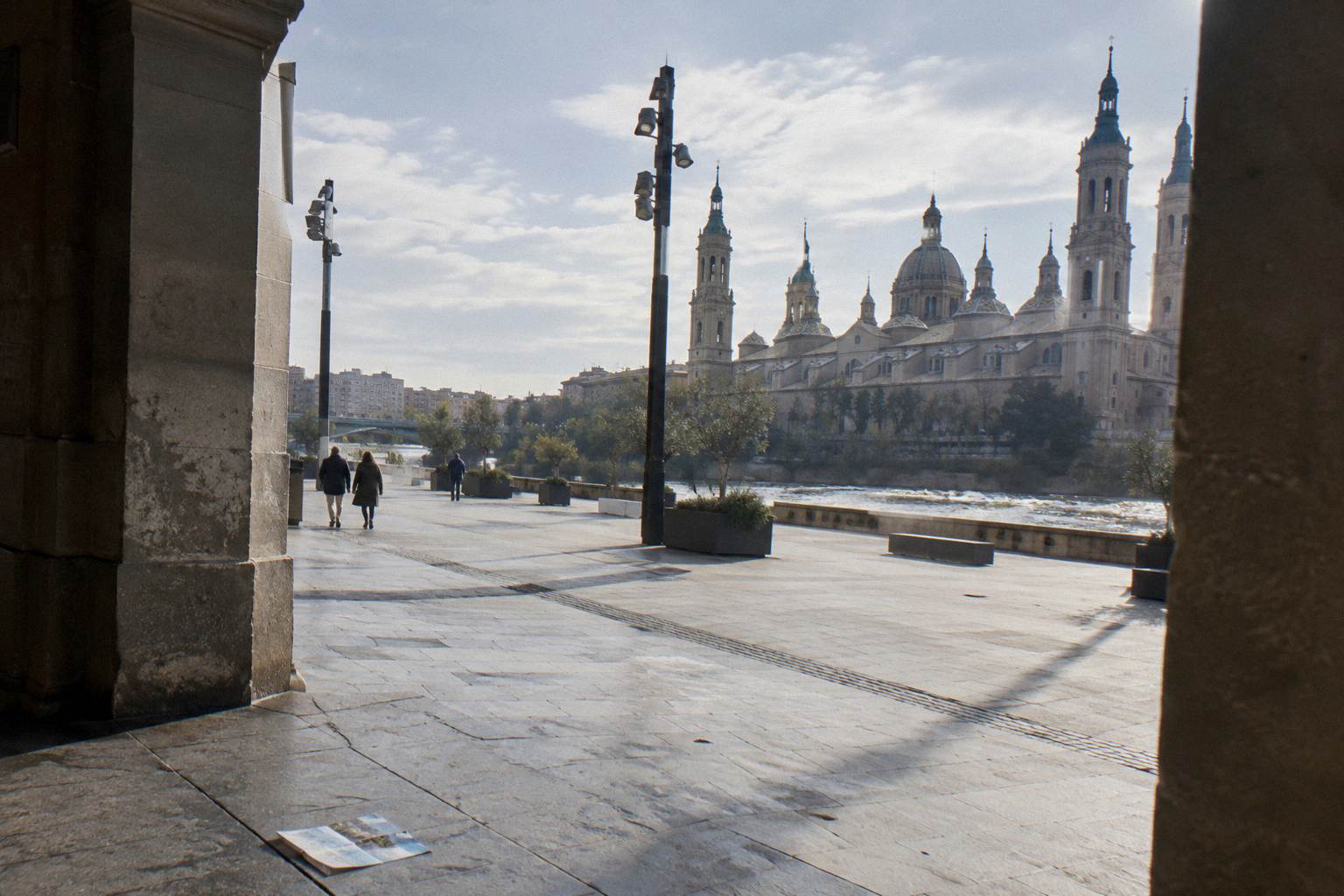
The Photo Spots walk is the one this article points at most directly, because its ground, the old town's secrets, legends and photo spots, is the furthest in character from the park, and the two together bracket the city nicely. It is listed on freetour.com, meets at El Caballito de the Lonja, Calle de Don Jaime I, runs 2 hours 30 minutes in English and Spanish, and is rated 9.4 out of 10 across 78 freetour.com reviews. Its photo spots and legends walk page carries the meeting point and reservation details, and the walk itself is free, pay what you want, with freetour.com saying tip based.
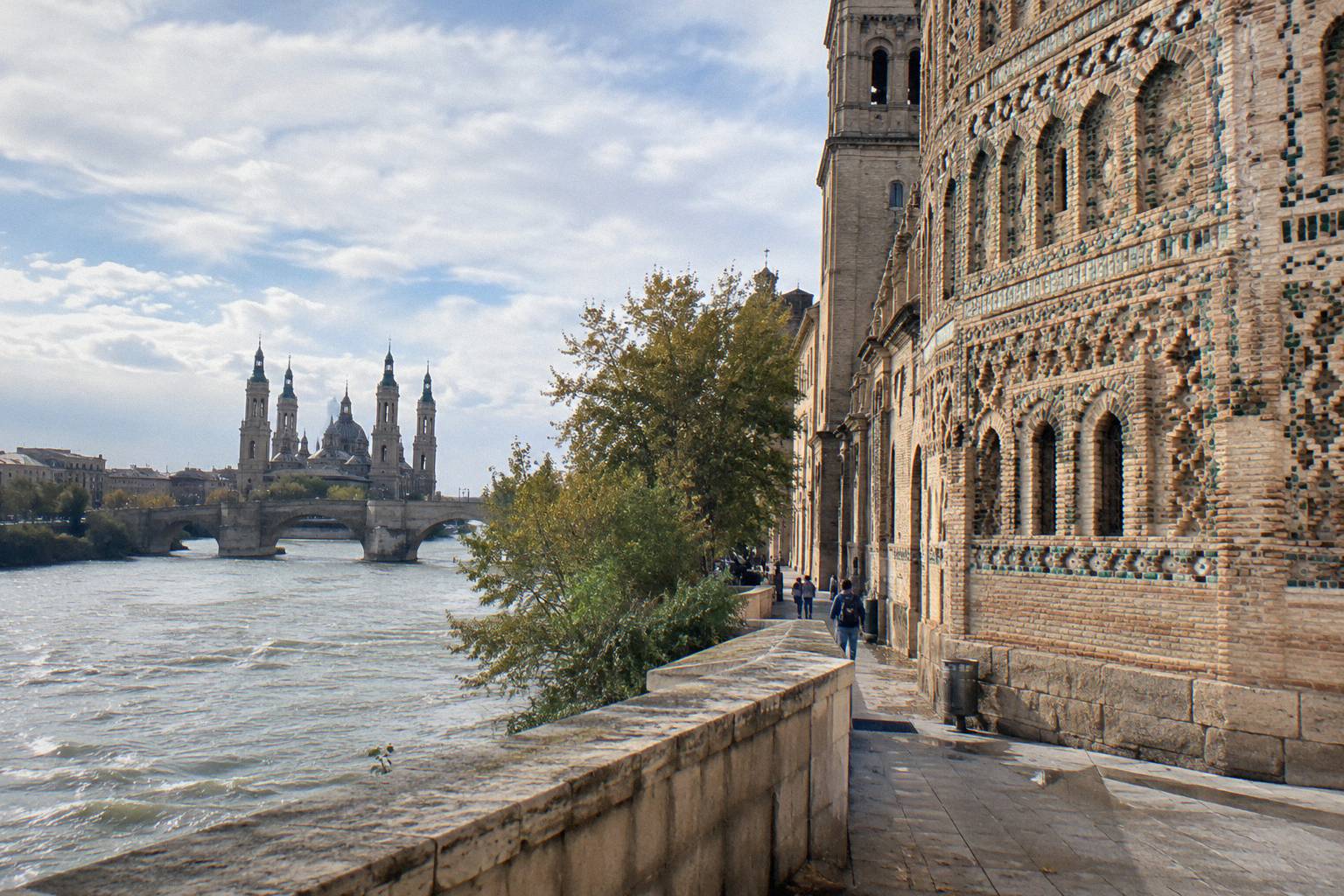
What the walks cannot deliver is exactly what the park does deliver: open ground, a hill, a view and a museum with no reservation at all. That contrast is the practical value of pairing them. A walking tour has a meeting point and a start you must be on time for. The park has neither. If a morning walk is booked, the park fills the afternoon on the same free budget. If the walk day goes long, the park is still there the next morning, open, unreserved and unchanged. For a fuller plan of how a day or a weekend can be arranged around the free side of the city, the one free day walking itinerary lays out the old-town sequence, and the free museums and free entry days guide covers the always-free and conditionally-free venues, including the Sala de Etnologia y Ceramica, in detail.
One more pairing rule keeps the budget honest. The old town around the walks is dense with paid interiors, La Seo at 10 EUR, the Aljaferia at 7 EUR, the Torre Mirador at 6 EUR, and none of them is included with or free alongside any walk. The park, by contrast, has no paid interior waiting to catch you out. Moving a bigger share of your time into the park is therefore the simplest way to hold a hard zero for part of a trip without ever feeling like you are skipping things: the view from the Cabezo de Buenavista is free on every day of the year, in every season, with no ticket window anywhere near it.
Mistakes That Trip People Up At Parque Grande
Four mistakes recur at Parque Grande: assuming the museum keeps park hours when it actually closes Mondays and shuts mid-afternoon on weekdays, treating the hill's restaurants as part of a free outing when they are paid, bolting the park onto a walking-tour day when it sits outside the old-town circuit, and expecting the city's museums to be free like the park when most are conditional or paid. Each is avoidable with one piece of planning.
The museum-hours mistake is the most common. People hear "free park, always open" and carry that expectation into the Sala de Etnologia y Ceramica, then find a Monday closure or a mid-afternoon shut window in front of them. The museum's hours are Tue-Sat 10-14 and 17-20, Sun 10-14. If the collection matters to you, build the day around those windows and let the park's own freedom fill the gaps before and after.
The restaurant mistake is smaller but real. The hill's restaurants are paid, and a family that climbs the Cabezo de Buenavista at lunchtime and sits down at the first terrace has quietly converted a free outing into a paid one. Nothing wrong with that choice, but it is a choice, and the viewpoint itself asks for nothing. The El Tubo tapas streets guide makes the same point from the old-town side: the streets are free, the food is paid, and keeping the two straight is the whole discipline of a free itinerary.
The detour mistake wastes time. The park is not on the walking-tour circuit, and no meeting point of the three English walks is at the park. Treating it as a quick stop between old-town sights turns a good walk into a rushed one and a good park into a glimpse. Give the park its own block, half a day at least, and let the walk days belong to the old town.
The free-status mistake is the one with the widest blast radius. After a morning in a park that charges nothing, unconditionally, it is easy to assume the same of the Aljaferia or La Seo or the Torre Mirador. They are not. The Aljaferia is 7 EUR general with free entry for under 12s, large families, the unemployed and disability of 33 percent or more, and its printed free-day wording is ambiguous, so check the official page before planning around any date. La Seo is 10 EUR general, free only for residents of Aragon on the 5th, 10th, 17th and 24th of the month. The Torre Mirador is 6 EUR. A park that is free every day is the exception, not the rule, and the itinerary that knows which is which is the itinerary that stays on budget.
Common Questions About Parque Grande Jose Antonio Labordeta
Is Parque Grande Free To Enter?
Yes. Parque Grande Jose Antonio Labordeta is a public park with free entry, always open, and no ticket or gate of any kind. The Cabezo de Buenavista hill and viewpoint inside it are also free. The only paid elements are the restaurants on the hill.
What Is Free Inside Parque Grande Jose Antonio Labordeta?
The grounds themselves, the Cabezo de Buenavista hill and its viewpoint, and the Sala de Etnologia y Ceramica museum. The museum is listed free with hours Tue-Sat 10-14 and 17-20 and Sun 10-14, closed Mondays. The hill is open public space with no hours.
Does The Sala De Etnologia Y Ceramica Charge On Any Day?
No. Unlike many Zaragoza museums that are free only on a first Sunday, first Tuesday or first Wednesday of the month, the Sala de Etnologia y Ceramica is free on every day it is open. It closes Mondays and shuts mid-afternoon on weekdays, so the hours, not a price, are the only planning constraint.
Can You Pair The Park With A Free Walking Tour?
Yes, and the pairing costs nothing. The park handles green space, the viewpoint and the museum, while the city has 3 free walking tours in English (1 on GuruWalk, 2 on freetour.com) covering the old town. All meet in the historic centre, so give each its own block of time rather than bolting them together.
Are There Any Paid Attractions Inside The Park?
The only paid things inside the park's orbit are the restaurants on the Cabezo de Buenavista hill. There is no paid viewpoint, no paid garden and no paid interior in the park itself. Any assumption that a tower or museum inside the park charges would be a mistake: the park's free status is unconditional.
Do The Free Walking Tours Visit Parque Grande?
No. All three English free walks meet in the old town: the Old Town walk at the Statue of Caesar Augustus, the Monumental walk at the Plaza de la Seo, and the Secrets, Legends and Photo Spots walk at El Caballito de the Lonja. The park sits outside that circuit and is best visited as its own destination.