Parque Del Agua And The Expo 2008 Site: A Free Walk
The Parque del Agua and the Expo 2008 riverbank are free to walk. Here is exactly what costs nothing, what charges entry, and how the bridges and parks fit together.
In Short
The Parque del Agua Luis Bunuel is a public park and free to enter. The Pabellon Puente, the Zaha Hadid bridge over the Ebro, is free to walk across. The paid parts sit beside that free ground: the Acuario de Zaragoza is 20 EUR general entry and Mobility City inside the Pabellon Puente is 10 EUR, free on the first Wednesday of the month. Every walk, bridge and lawn described below costs nothing unless a price is printed beside it.
This question sits inside the free riverside walks and viewpoints guide.
Quick Facts
| Thing | Cost |
|---|---|
| Parque del Agua Luis Bunuel | Free, public park |
| Pabellon Puente bridge exterior | Free, public footbridge |
| Expo 2008 riverbank ground | Free, open public space |
| Mobility City inside the Pabellon Puente | 10 EUR, free on the first Wednesday of the month |
| Acuario de Zaragoza | 20 EUR general, 14 EUR child 4-14 and senior |
| Old Town free walk, Paseicos | Free, pay what you want, on GuruWalk |
Is The Expo 2008 Site Free To Walk?
Yes, the Expo 2008 site is free to walk. The Parque del Agua Luis Bunuel, built on the Expo 2008 grounds along the Ebro, is a public park with no gate, no ticket and no charge at any hour, and the surrounding riverbank is open public space. The money sits indoors: the Acuario de Zaragoza and the Mobility City exhibition inside the Pabellon Puente are separate ticketed attractions with their own prices.
The park is the clearest free-and-paid split in Zaragoza, and it is worth getting the split right before you go. The outdoor layer is entirely free. The lawns, the paths, the water features and the riverbank promenade that together make up the Parque del Agua Luis Bunuel are public ground, and a public park charges nobody for walking on it. The same goes for the Expo 2008 riverbank itself: the site was redeveloped after the international exhibition closed, and the ground it left behind functions today as ordinary open city space along the Ebro.
Indoors is where the prices start. The Acuario de Zaragoza, also called the Acuario Fluvial, sits within this riverbank complex and charges 20 EUR general entry, with 14 EUR for children aged 4 to 14, seniors and visitors with a disability, 17 EUR for youth card holders, students and large family adults, 12 EUR for large family children, free for ages 0 to 3, and a 55 EUR family pack. None of that touches the park. The aquarium is a self contained building with its own door and its own till, and the park continues around it whether or not you go in.
The second paid interior is Mobility City, inside the Pabellon Puente itself, at 10 EUR general, 5 EUR reduced, 8 EUR for groups of 10 or more and 1 EUR for visitors with a disability, free on the first Wednesday of the month. Again, the bridge you walk on to reach it and the pavement on either bank cost nothing. A visitor who walks the whole Expo site, crosses both bridges and circles the park will spend the whole afternoon without paying a cent, and will pass both ticketed doors on the way.
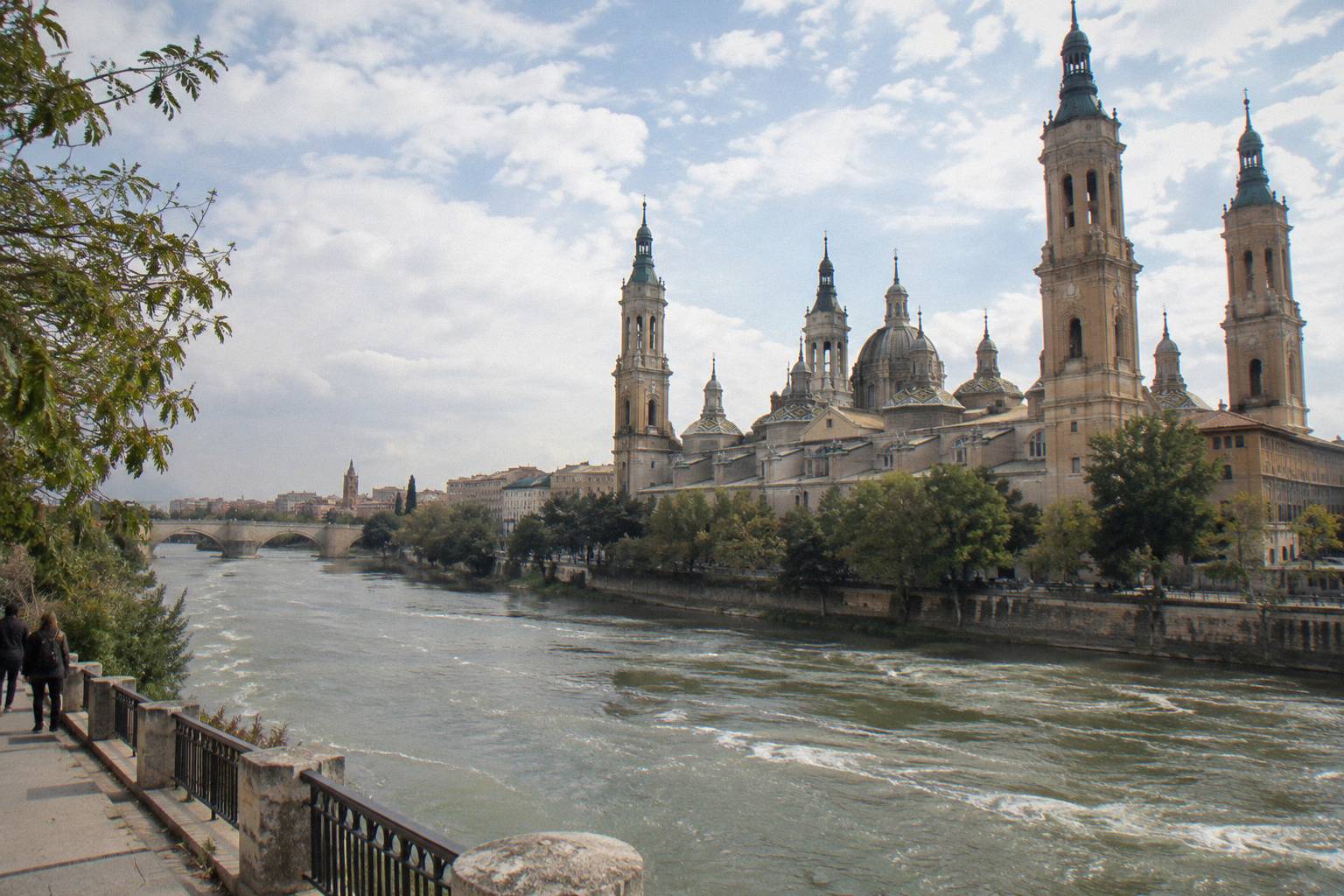
That pattern, free ground with paid boxes standing on it, repeats across Zaragoza's riverbank. The Basilica del Pilar's temple is free while its tower lift, the Torre Mirador, is 6 EUR. The Centro de Historias is free while the Museo del Origami under the same roof is 3 EUR. The Parque del Agua follows exactly the same logic at a larger scale, and the practical takeaway is simple: the walk is the free part, and the doors are the paid part.
| Free part beside the Expo site | Paid part beside it | Price |
|---|---|---|
| Parque del Agua Luis Bunuel, the park itself | Acuario de Zaragoza inside the complex | 20 EUR general |
| Pabellon Puente bridge, the walkable structure | Mobility City, the exhibition inside it | 10 EUR, free first Wednesday |
| Riverbank promenade along the Ebro | Nothing, open public space | Free |
| Puente de Piedra, the public bridge | Nothing, open public space | Free |
Which Parts Of The Parque Del Agua Charge Entry?
No part of the Parque del Agua Luis Bunuel charges entry. The park is a free public space, and the two paid attractions in the wider Expo 2008 riverbank complex, the aquarium and Mobility City, are separate buildings with separate tickets. A conditionally free option exists too: Mobility City is free on the first Wednesday of each month.
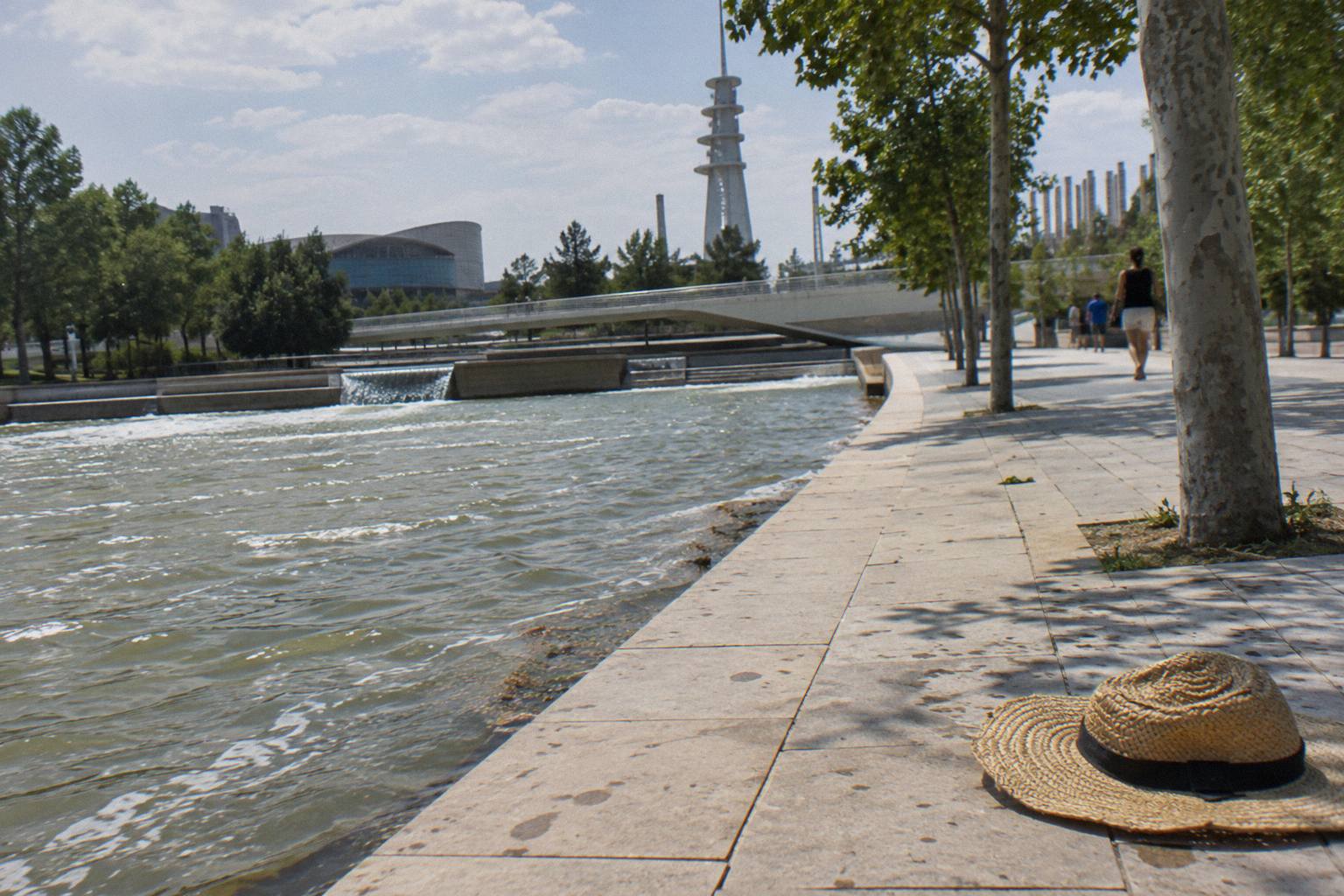
Start with what the park actually is. The Parque del Agua Luis Bunuel covers the Expo 2008 site's outdoor ground along the Ebro and is listed as a public park, free to enter, with no recorded hours restriction, no gate and no fee. Everything under the sky here is free: the paths, the planted areas, the water channels that give the park its name, the riverbank edges and the views across to the bridges. You can arrive at any time, stay as long as you like and pay nothing.
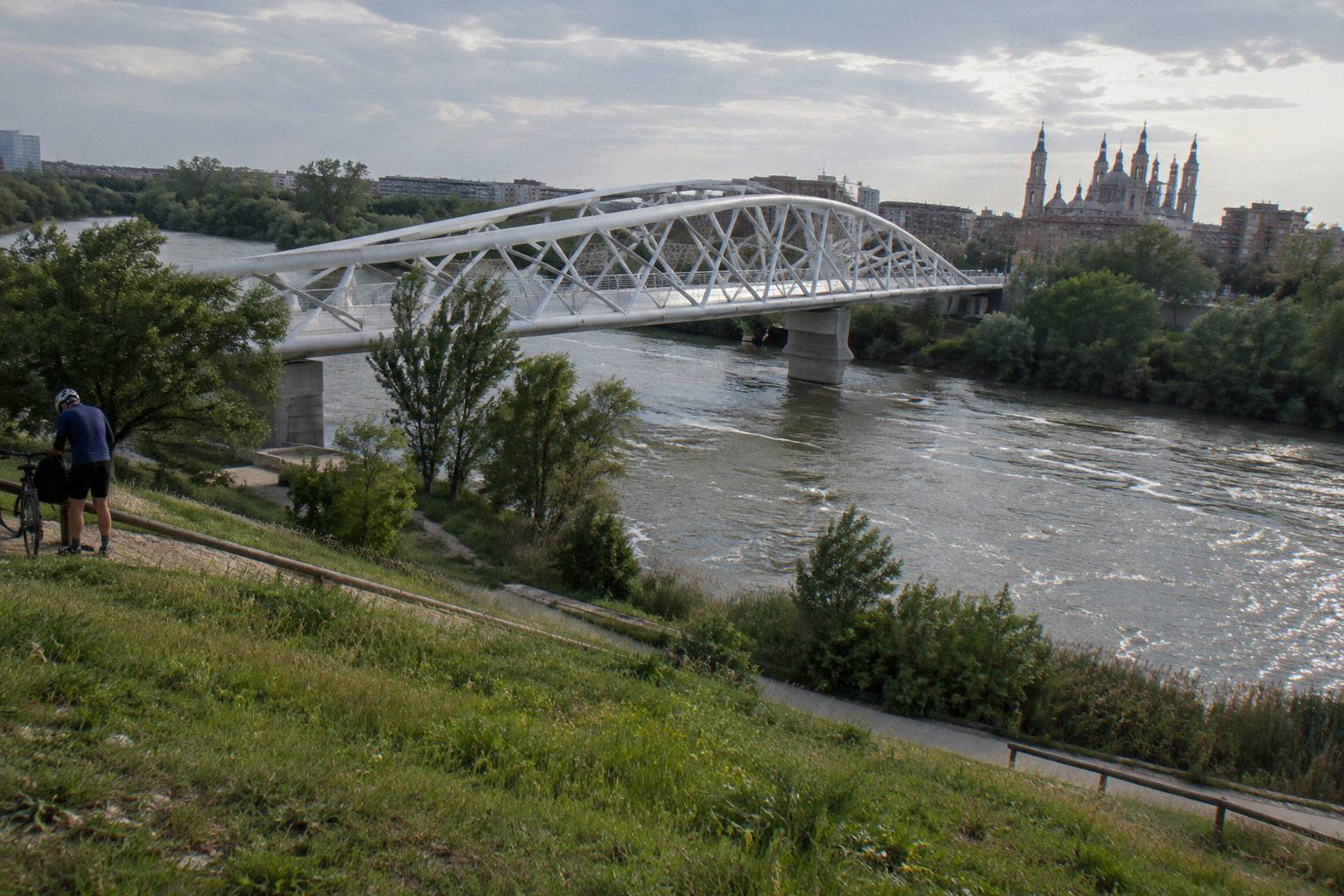
The charges belong to two named buildings, and each deserves its own honest paragraph. The Acuario de Zaragoza is the bigger of the two tickets at 20 EUR general, and its full tariff ladder runs from 14 EUR for children aged 4 to 14, seniors and visitors with a disability, through 17 EUR for youth card holders, students and large family adults and 12 EUR for large family children, to free entry for ages 0 to 3 and a 55 EUR family pack. It is a river themed aquarium, and it is the single most expensive door on this stretch of the Ebro.
Mobility City is the smaller ticket and the more conditional one. The exhibition inside the Pabellon Puente charges 10 EUR general, 5 EUR reduced, 8 EUR for groups of 10 or more and 1 EUR for visitors with a disability, and it drops its fee entirely on the first Wednesday of each month. That free day belongs to Mobility City alone and travels with its name in the same sentence. It is not a city wide free Wednesday: the Ibercaja venues also use the first Wednesday, but the municipal museums use the first Sunday, so each attraction's own day is the only one worth planning around.
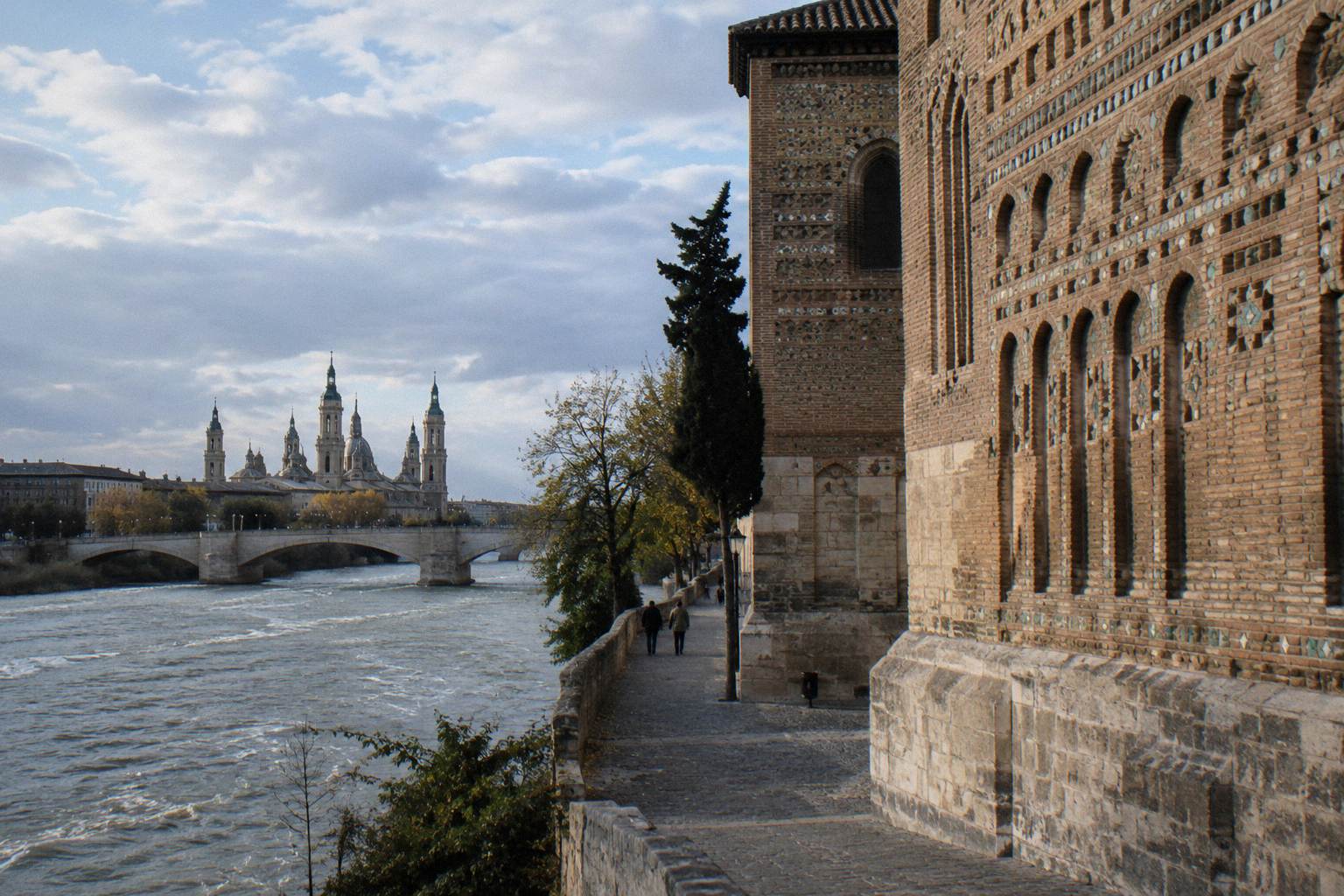
A third layer of almost-free options sits a little further out but belongs in the same planning conversation. The municipal Caesaraugusta museums, the Foro, the Puerto Fluvial, the Termas Publicas and the Teatro, each charge 3 or 4 EUR normally and go free on the first Sunday of the month. The Museo del Fuego y de los Bomberos does the same. None of these is inside the park, but a first-Sunday or first-Wednesday visit to Zaragoza can stack a free museum morning with a free park afternoon, and the only cost either day is the food you buy.
Food, in fact, is the one expense nobody escapes on a park walk. The Mercado Central in the old town is free to enter and the Parque Grande Jose Antonio Labordeta to the south is another free public park, but any restaurant, kiosk or cafe on or near the Expo site is a commercial business and charges for what it sells. The free status of a park covers the ground, never the goods sold on it, and the honest budget for a day here is a lunch budget plus, optionally, one or both of the two named tickets.
| Attraction on the Expo riverbank | Status | Price and condition |
|---|---|---|
| Parque del Agua Luis Bunuel | Free | Public park, no charge |
| Acuario de Zaragoza | Paid | 20 EUR general, 14 EUR child and senior, free ages 0-3 |
| Mobility City, Pabellon Puente interior | Conditional | 10 EUR, free on the first Wednesday of the month |
| Pabellon Puente bridge | Free | Public footbridge over the Ebro |
Is The Pabellon Puente Bridge Free To Cross?
Yes, the Pabellon Puente is free to cross. The bridge structure, the Zaha Hadid designed crossing over the Ebro, is a public footbridge and walking across it costs nothing at any time. What is not free is the interior exhibition: Mobility City, inside the bridge building, is 10 EUR and free on the first Wednesday of each month.
The Pabellon Puente is the strangest and most photogenic structure on this stretch of the river, a bridge that is also a building. Built for the Expo 2008 as its emblematic pavilion, it spans the Ebro and works today as a walkable crossing wrapped around a museum. The split between its two halves is absolute and worth stating plainly: the exterior and the walkway are public infrastructure, free to anyone on foot, while the enclosed interior is a ticketed exhibition space run as Mobility City. The wider set of guides lives on Free Things To Do In Zaragoza.
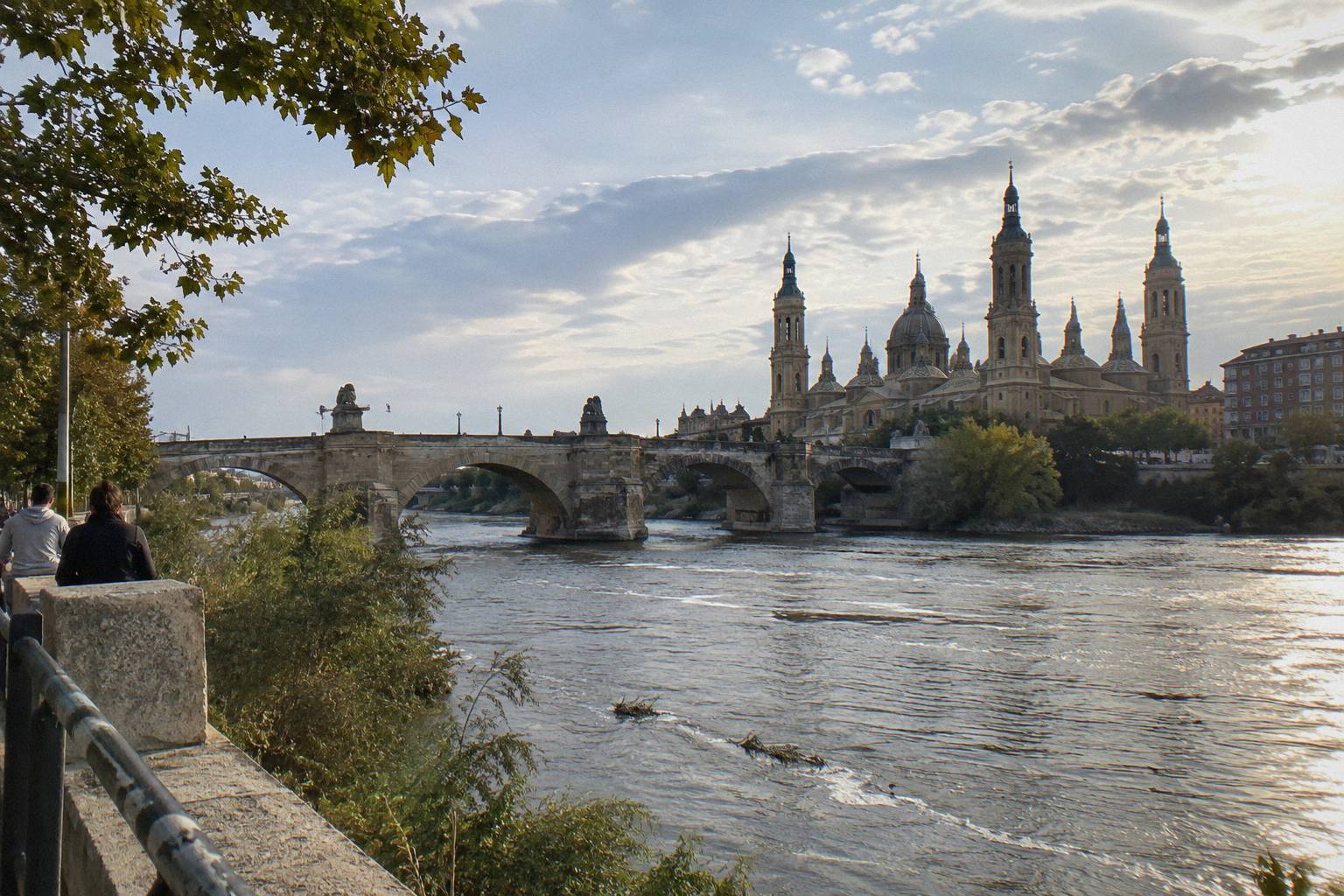
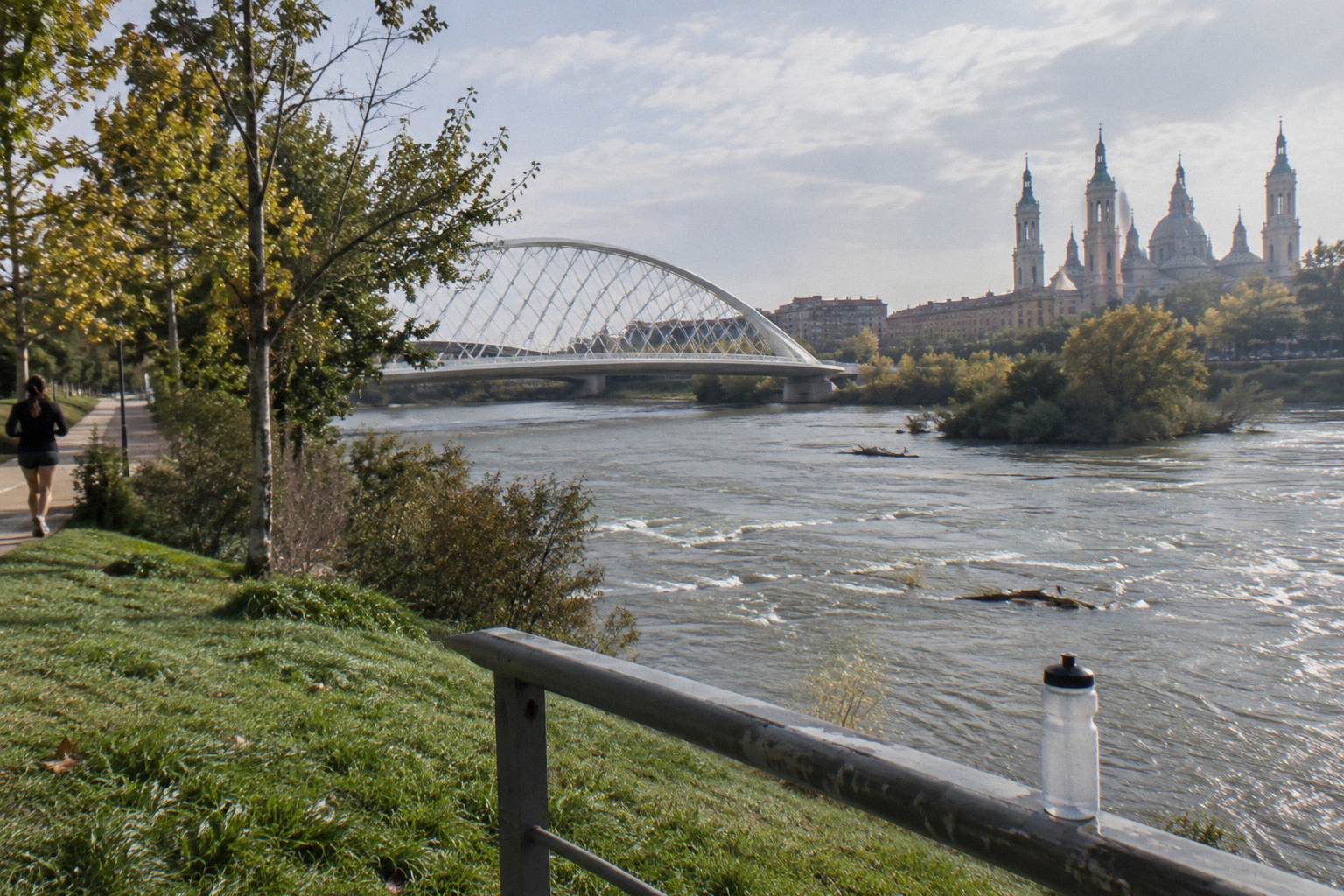
Crossing the bridge is one of the best free minutes in Zaragoza. The structure's curved white form and lattice of struts give the crossing its character, and from the walkway the Ebro opens out in both directions, with the Expo site's riverbank on one side and the Ranillas meander on the other. Nothing about the crossing is gated. It functions as the river's modern counterpart to the Puente de Piedra in the old town, which is likewise a public bridge, always open and free, and the Puente de Hierro further along, also public and free.
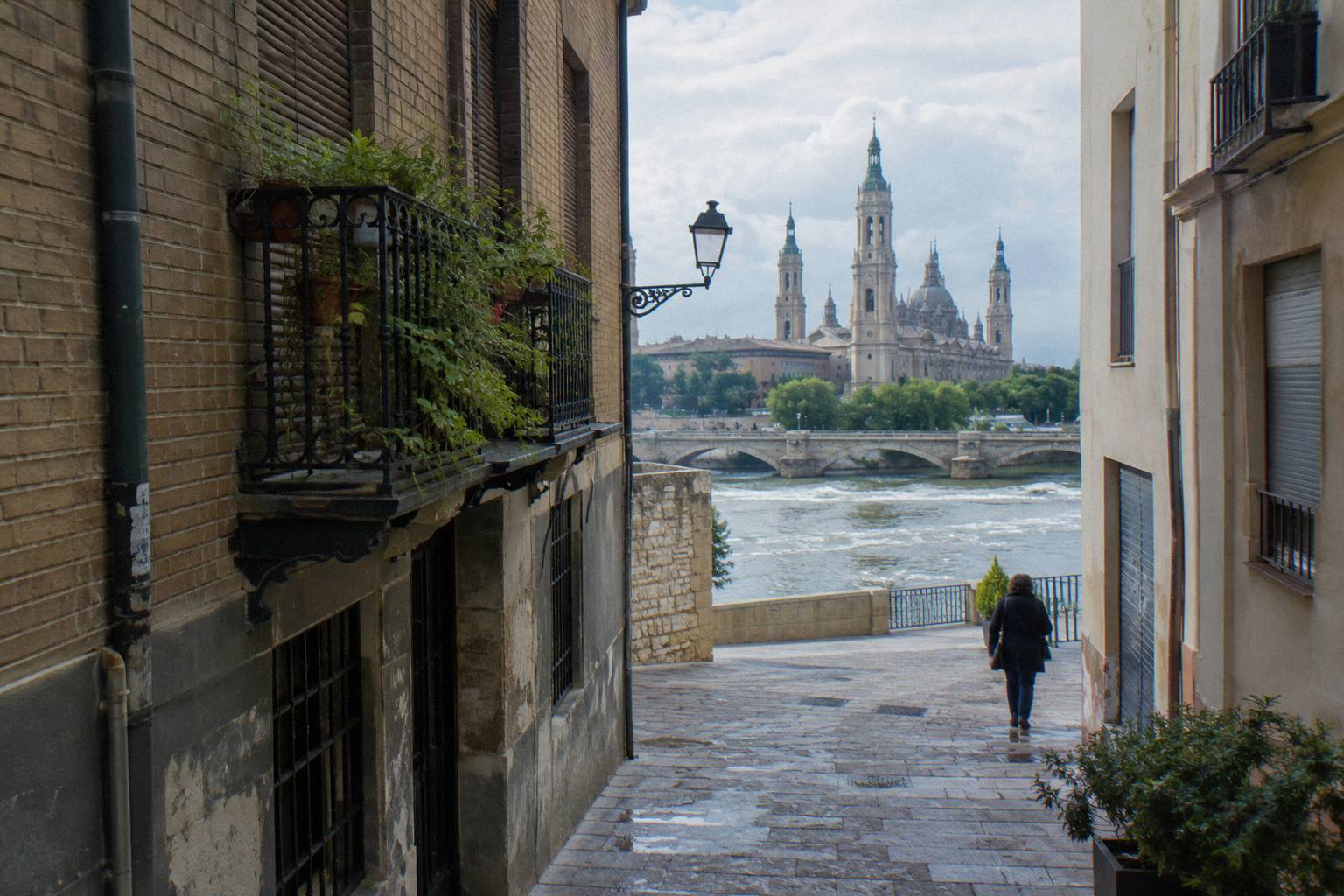
The interior is where the 10 EUR ticket lives. Mobility City is an exhibition about movement and transport housed inside the bridge, open Tuesday to Saturday from 10:00 to 14:00 and 16:00 to 20:00 and Sunday from 10:00 to 14:00, charging 10 EUR general, 5 EUR reduced, 8 EUR for groups of 10 or more and 1 EUR for visitors with a disability, and free on the first Wednesday of the month. If your interest is the bridge itself rather than the exhibition, you can cross it, photograph it from both banks and never encounter a till.
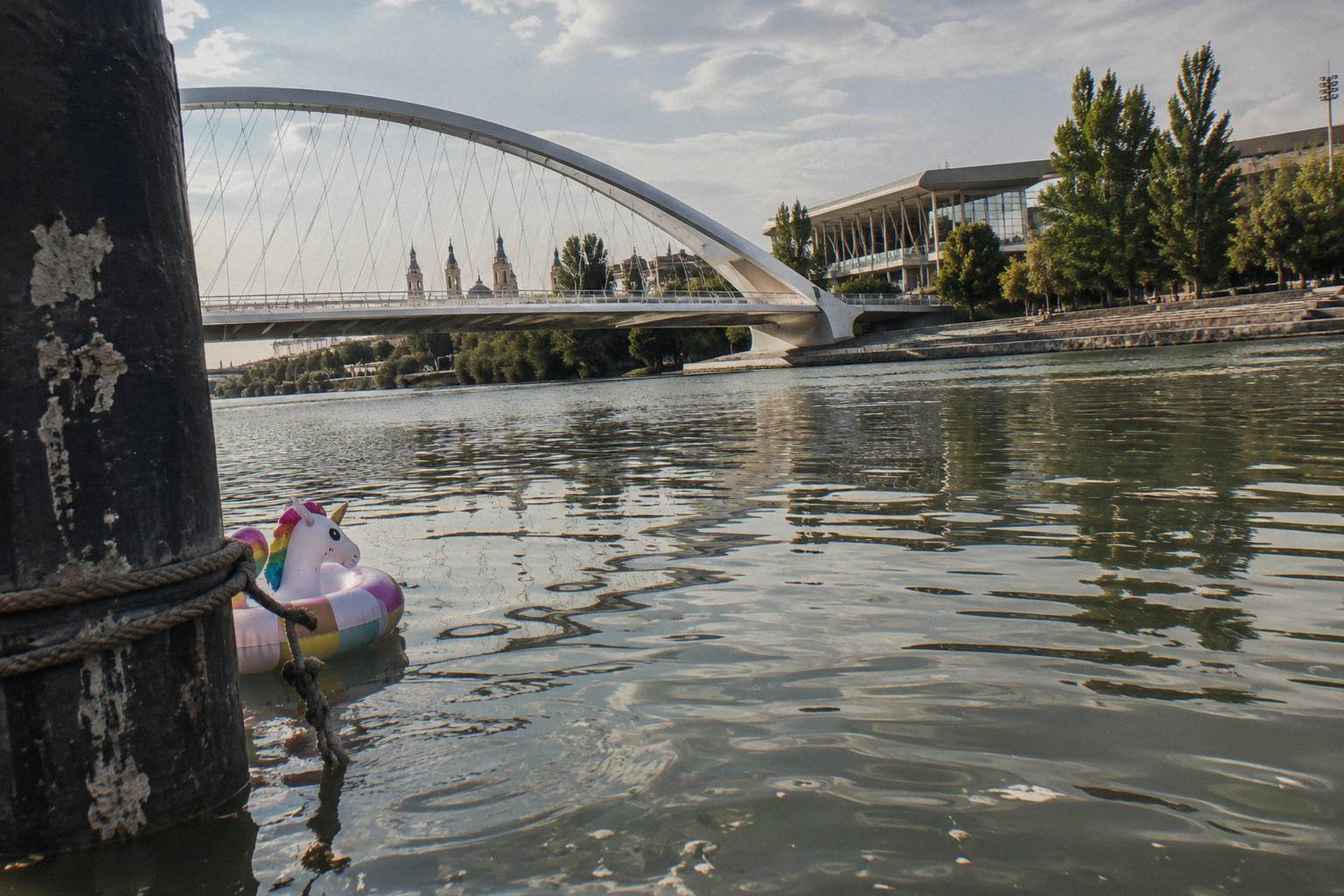
This bridge is also where the free-walk logic of the whole site is easiest to explain to a sceptical travel companion. A square never charges, a bridge never charges, a park never charges. Towers, museums and aquariums charge. The Pabellon Puente happens to be a bridge and a museum in one body, so it splits cleanly down the middle: cross for free, enter for 10 EUR or free on the first Wednesday. There is no partial ticket, no bridge fee disguised as a museum fee, and no way to be charged for the crossing itself.
What Does The Expo Site Add To A Free Day?
The Expo 2008 site adds a modern riverbank layer that the old town cannot offer: a large free park, two free bridges, the Pabellon Puente and the Puente de Hierro, and open riverside walking in every direction, all reachable without a ticket. It pairs naturally with a free walking tour of the old centre, since the walks meet by the Pilar and the park sits up the Ebro.
Zaragoza's free offer is usually presented as an old-town story, the Plaza del Pilar, the Basilica, the Roman walls and El Tubo. The Expo site is the other half. Where the centre is stone and narrow streets, the Expo riverbank is water, grass and contemporary architecture, and it is every bit as free at ground level. A day that walks the Roman walls of Caesaraugusta in the morning, the Plaza del Pilar at midday and the Parque del Agua in the afternoon costs nothing but lunch, and it shows a visitor two completely different cities.
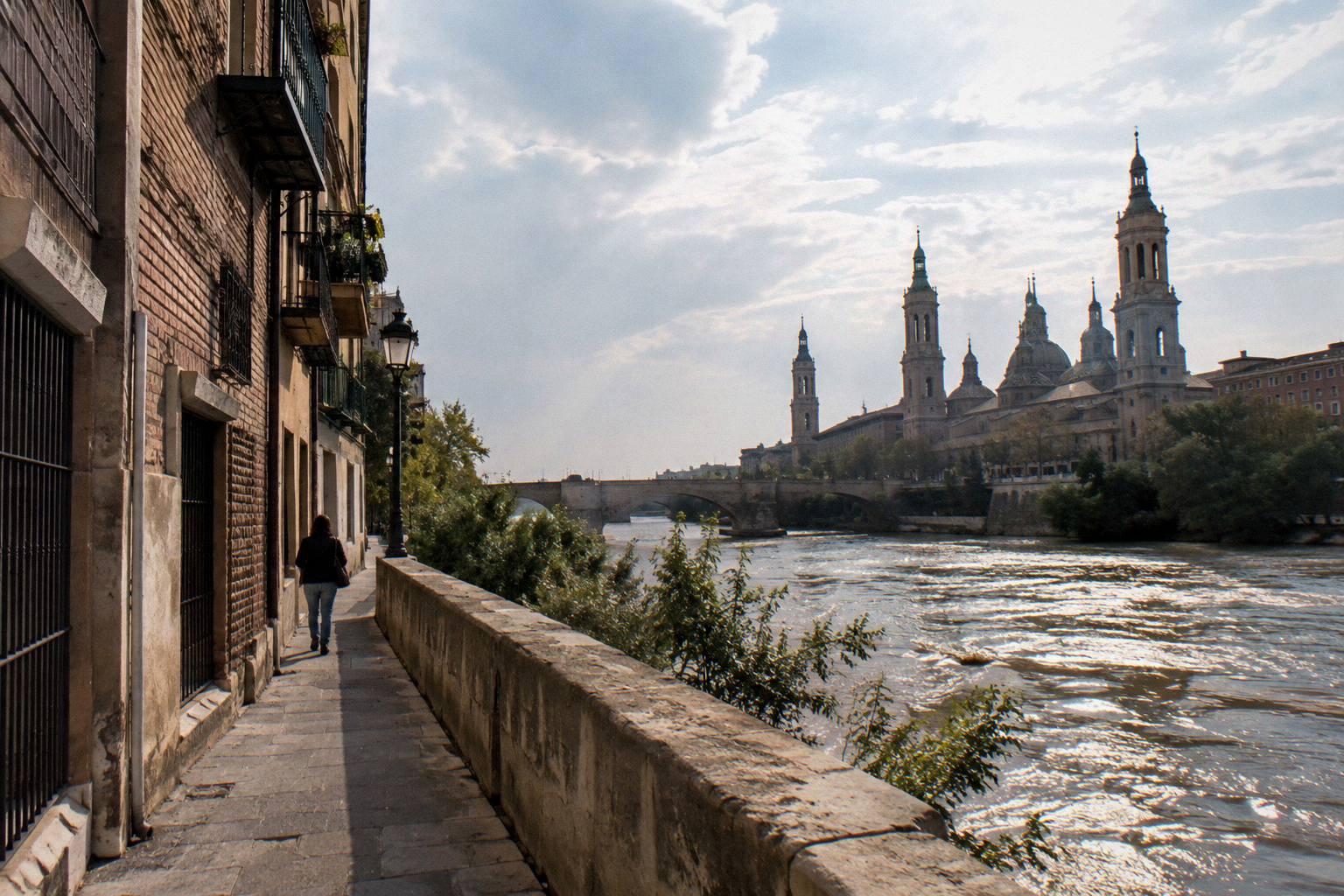
The park also connects to the rest of the free riverbank network. Downstream, the Puente de Piedra carries you back toward the Basilica, and the Torreon de la Zuda nearby is free to enter, open Monday to Saturday 10:00 to 14:00 and 16:30 to 20:00 and Sunday 10:00 to 14:00, with the Mirador de las cuatro culturas on its fifth floor and last entry 15 minutes before closing. Upstream, the Puente de Hierro is another free public crossing. The whole Ebro corridor works as one continuous free walk if you want it to.
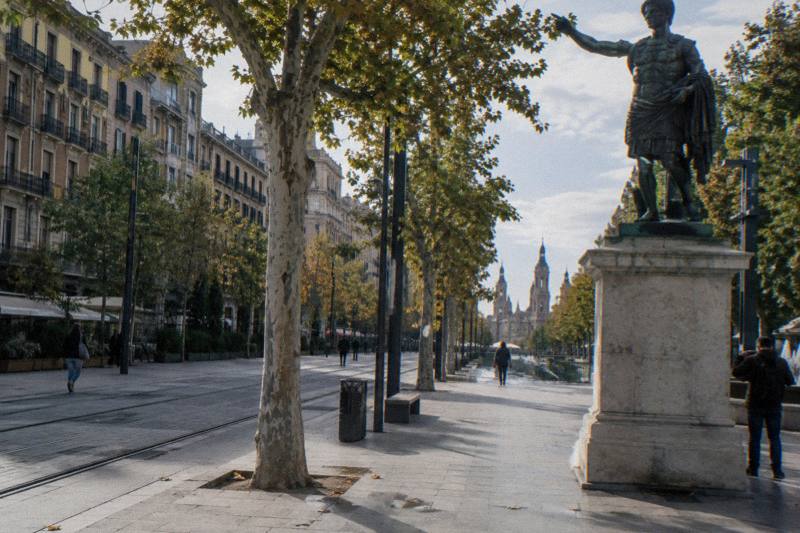
For visitors who like a guide's voice over the stones, the free walks of the city centre are a natural companion to a self guided park afternoon. The city has 3 free walking tours in English (1 on GuruWalk, 2 on freetour.com). The Old Town Walk, Paseicos, is on GuruWalk, runs 2 hours in English and Spanish, is rated 4.96 out of 5 across 591 GuruWalk reviews, and meets at the Statue of Caesar Augustus on Avenida de César Augusto 115, itself right beside the free Roman walls. The Free Monumental Tour of Zaragoza, listed on freetour.com with Paraguas Rojos and rated 9.2 out of 10 across 65 freetour.com reviews, meets at the Plaza de la Seo next to the facade of La Seo. The Unforgettable Zaragoza Free Tour: Secrets, Legends and Photo Spots, also on freetour.com with Mystic Xperience, rated 9.4 out of 10 across 78 freetour.com reviews, meets at El Caballito de la Lonja on Calle de Don Jaime I. Every one of them is free, pay what you want, and reserved on its own platform's page.
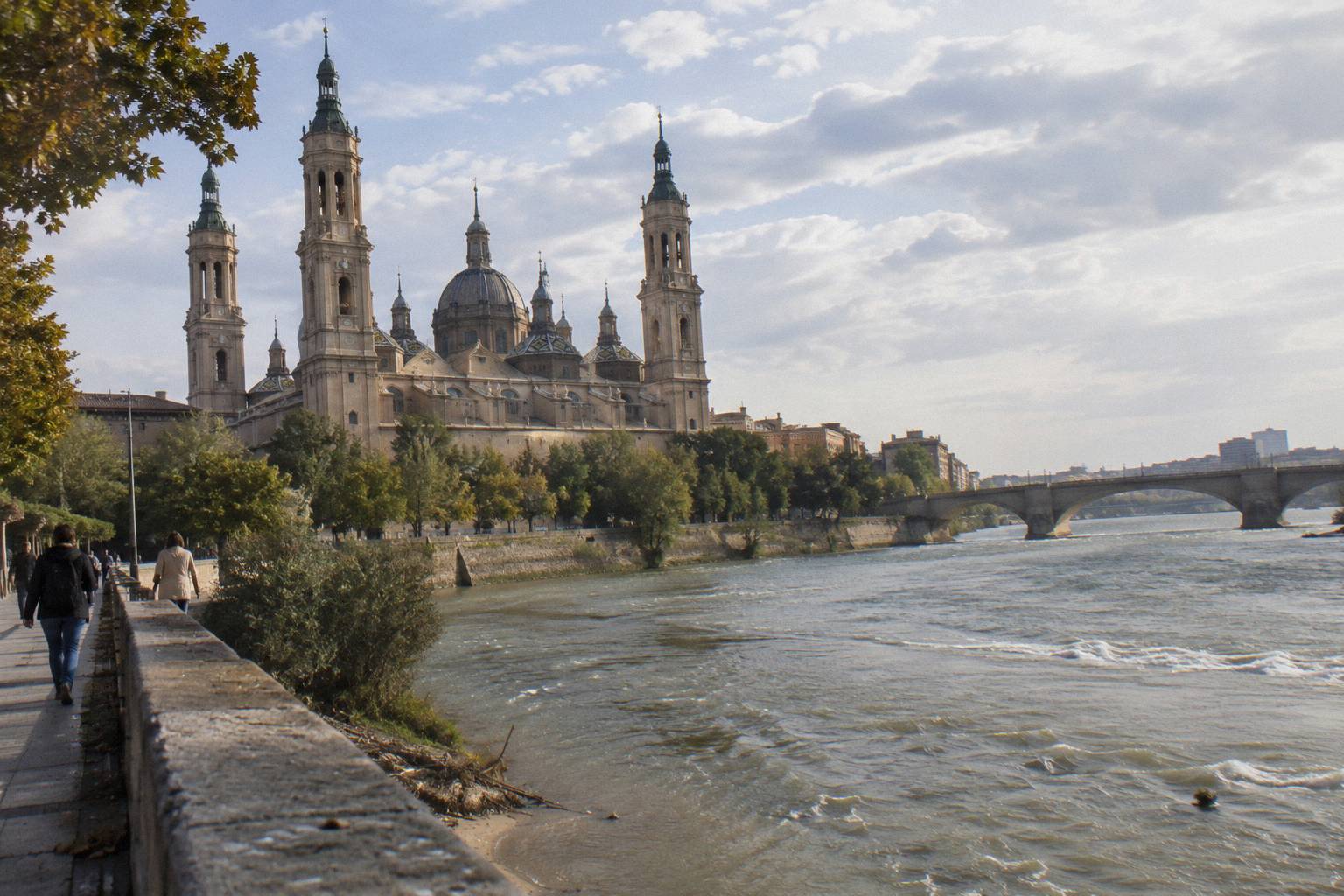
The pairing works in the other direction too, and the how a day of free sightseeing fits together guide lays out the sequence. An Expo site afternoon needs no booking, no timeslot and no language match, which makes it the flexible half of the day: the walks have set meeting points and the park does not. Visitors who ask whether free walking tours are really free usually find the park the easiest proof of the concept, because here the free part is not even pay what you want, it is simply free.
One more layer of added value deserves a sentence: the site is a walkable piece of recent history. The Expo 2008 was a water themed international exhibition, and the park and bridges that survive it are what a world's fair leaves behind when the pavilions close. For a visitor who has spent the morning among Roman foundations and mudejar towers, the contrast is the point. Zaragoza is one of the few Spanish cities where a completely free day can span two thousand years of riverbank, from Caesaraugusta's stones to a Zaha Hadid bridge, and the Expo site is what makes the modern end of that span possible.
Mistakes That Trip People Up At The Expo Site
The common mistakes are treating the aquarium or Mobility City as included in the park, assuming one free day covers every attraction on the riverbank, planning the day around a bridge interior that has limited hours, and expecting food or drink on the Expo site to follow the park's free logic. Each mistake comes from merging a free exterior with a paid interior, and each is avoided by keeping the two apart.
The first and most expensive mistake is assuming the Acuario de Zaragoza is part of the Parque del Agua's free offer. It is not. The park is free public ground and the aquarium is a 20 EUR ticket with its own building and its own door. Visitors who arrive expecting a free aquarium find a paid attraction, and the disappointment is avoidable by holding the two facts separately: park free, aquarium 20 EUR, no bundle, no combined entry.
The second mistake is stacking free days that do not stack. Mobility City is free on the first Wednesday of the month. The municipal Caesaraugusta museums and the Museo del Fuego are free on the first Sunday. The Museo del Origami is free on the first Tuesday and the first Sunday. La Seo is free only for residents of Aragon on the 5th, 10th, 17th and 24th of the month. There is no single day when everything opens free, and a plan built on a city wide free Sunday will fail at the first Ibercaja door. Name the attraction, name the day, and check nothing else.
The third mistake is forgetting the interior hours. The Pabellon Puente bridge is always walkable, but Mobility City inside it opens Tuesday to Saturday 10:00 to 14:00 and 16:00 to 20:00 and Sunday 10:00 to 14:00. A visitor who crosses the bridge on a Monday expecting the exhibition finds the crossing free and the museum shut. The bridge delivers regardless, so the mistake is rarely fatal, but a first-Wednesday plan built without checking the opening days wastes the free slot.
The fourth mistake is expecting the park's free status to extend to food. Any cafe, kiosk or restaurant on or near the Expo site is a paid business, exactly as tapas in El Tubo are paid even though the streets themselves are free public ground. Budget the lunch and treat the park's free entry as covering the ground, the paths, the bridges and the views, nothing sold on them. Visitors who hold that one line, free ground and paid doors, walk the whole Expo site happily and spend exactly what they chose to spend.
Common Questions
Is The Parque Del Agua Free To Enter?
Yes. The Parque del Agua Luis Bunuel is a public park on the Expo 2008 site and entry is free at any time. There is no gate, no ticket and no charge for the paths, lawns or riverbank. The only costs inside the wider complex are the Acuario de Zaragoza at 20 EUR and Mobility City at 10 EUR, both separate buildings.
Can You Walk Across The Pabellon Puente For Free?
Yes. The Pabellon Puente is a public footbridge over the Ebro and crossing it is free. The Zaha Hadid structure doubles as a building, and the interior exhibition, Mobility City, is ticketed at 10 EUR and free on the first Wednesday of each month. The crossing itself never charges.
How Much Is The Aquarium At The Expo Site?
The Acuario de Zaragoza, also called the Acuario Fluvial, charges 20 EUR general entry. Children aged 4 to 14, seniors and visitors with a disability pay 14 EUR, youth card holders, students and large family adults pay 17 EUR, large family children pay 12 EUR, ages 0 to 3 enter free, and a family pack is 55 EUR.
When Is Mobility City Free?
Mobility City, inside the Pabellon Puente, is free on the first Wednesday of each month. On every other day it charges 10 EUR general, 5 EUR reduced, 8 EUR for groups of 10 or more and 1 EUR for visitors with a disability. That free Wednesday belongs to Mobility City alone, not to the city's other attractions.
Is The Expo 2008 Site Good For A Free Day?
Yes. The park, the riverbank, the Pabellon Puente crossing and the Puente de Hierro are all free, and together they fill an afternoon at no cost. Pair it with a free old town walk such as the Old Town Walk, Paseicos, on GuruWalk, and the whole day's only fixed cost is food.
Are There Free Walking Tours That Cover The Expo Site?
The 3 free walking tours in English (1 on GuruWalk, 2 on freetour.com) all cover the historic centre, meeting at the Statue of Caesar Augustus, the Plaza de la Seo and El Caballito de la Lonja respectively. None runs inside the Parque del Agua, which is why the park makes the ideal free, self guided half of the day.